

SITREP IRAN: Given current conditions, does Iran have a fallback doctrine (ie., a Strategy)?
Now that Iran has experienced some level of leadership decapitation and defeat of some components of their military, does Iran possess or follow a military doctrine that allied and partner forces should be aware of?
The short answer is YES.
Iran's military doctrine in the face of leadership decapitation emphasizes resilience through decentralized command structures, rapid succession planning, and asymmetric warfare to ensure regime continuity and deterrence. This approach, often referred to in analyses as a "fourth successor" strategy, involves pre-designating multiple backups for key positions to prevent total disruption, making the system harder to fully dismantle.
The Islamic Revolutionary Guard Corps (IRGC) plays a central role, stepping in to consolidate power, stabilize institutions, and drive retaliation, potentially through collective leadership or hardline figures while a new supreme leader is selected via constitutional mechanisms like the Assembly of Experts or an interim council.
Key elements include:
Asymmetric Response and Escalation: Rather than conventional engagement, the focus shifts to missile strikes, proxy networks, and disruptions like targeting regional energy infrastructure or waterways to impose costs on adversaries without direct confrontation.
Recent examples highlight operations framed as "ferocious offensives," prioritizing vengeance and regional destabilization over submission.
Institutional Intertwining for Survival: The regime's architecture links the security sector (including the IRGC and Basij militia) with political, economic, and religious institutions, allowing quick adaptation but risking fragmentation if the security core weakens significantly.
This setup aims to maintain control amid chaos, with the IRGC often emerging as the dominant force in wartime transitions.
Deterrence and No Capitulation: Attacks are viewed as confirming external hostility, reinforcing the need for sustained asymmetrical tools and proxy operations to signal resolve, even if it leads to prolonged conflict rather than collapse (forms of asymmetry and attrition).
Historical precedents suggest this rarely leads to regime submission, instead fostering adaptation or internal power contests.
Overall, the doctrine prioritizes endurance and counterpressure over reform, with outcomes potentially ranging from stabilized hardline rule to protracted instability, depending on internal cohesion and external pressures.
Bottom line: Settle in for a sustained conflict. History, cultural and societal norms, political dynamics, ability to suffer, and the idea they are the “chosen” people are all elements that must be considered, along with many other factors.
@realDonaldTrump
@JDVance1
@JDVance1
@realDonaldTrump https://truthsocial.com/@TrueGenFlynn/116215838088791354

BREAKING: Iran released the military to attack the USA…
The Pentagon just added overtime hours. https://truthsocial.com/@Qanon76/116194789510611466

Based Christoph Waltz destroyed lefty argument 🔥 https://truthsocial.com/@Qanon76/116192277635300799
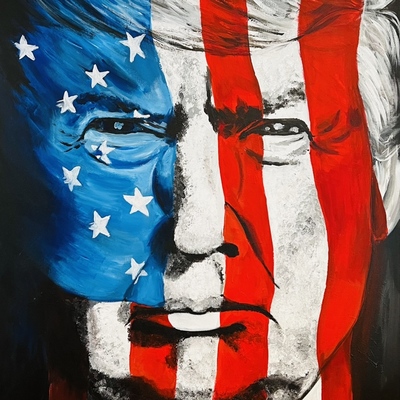
Worst of the worst for Oregon
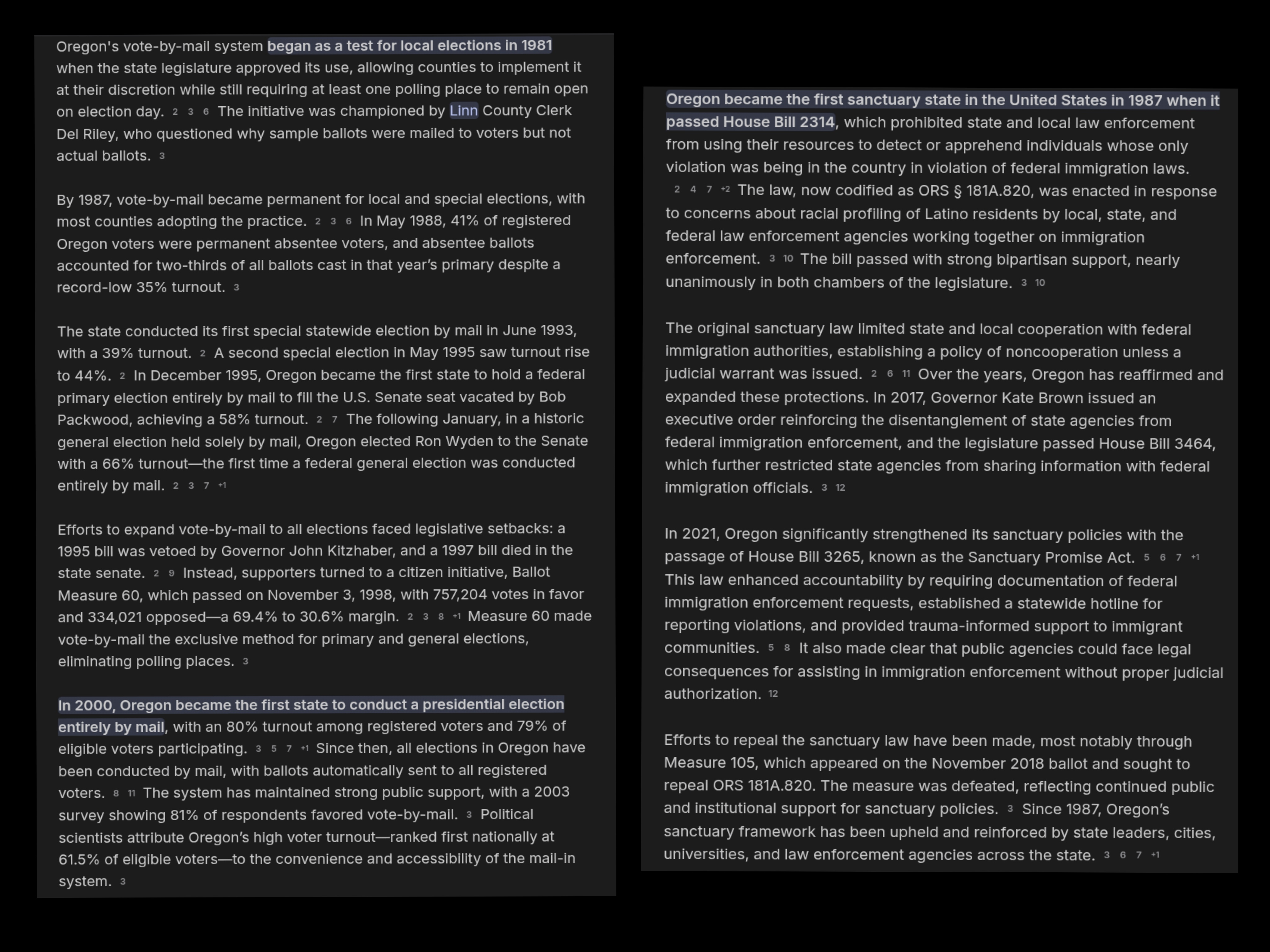
These are who Oregon's sanctuary policies are protecting
Here's the link for the Oregon search and below the main worst of the worst.
https://www.dhs.gov/wow?combine=&field_country_of_origin_target_id=All&field_state_value=Oregon&page=0
https://www.dhs.gov/wow
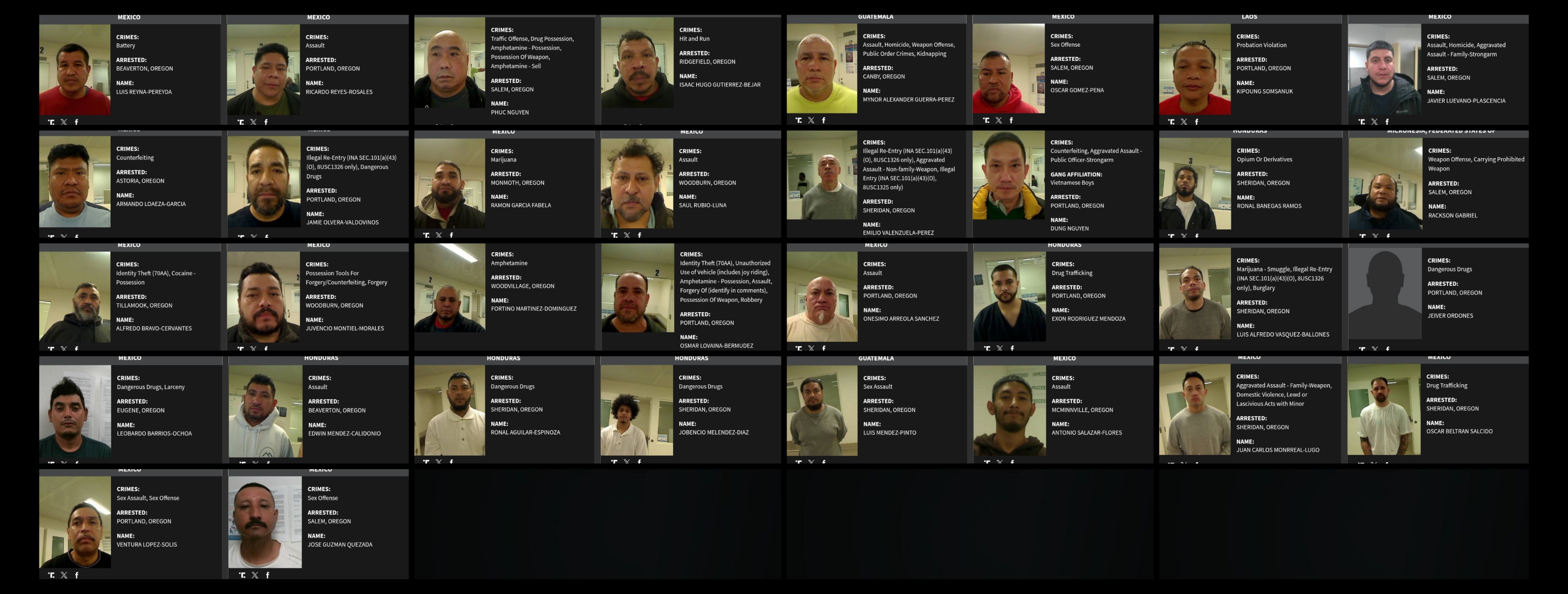
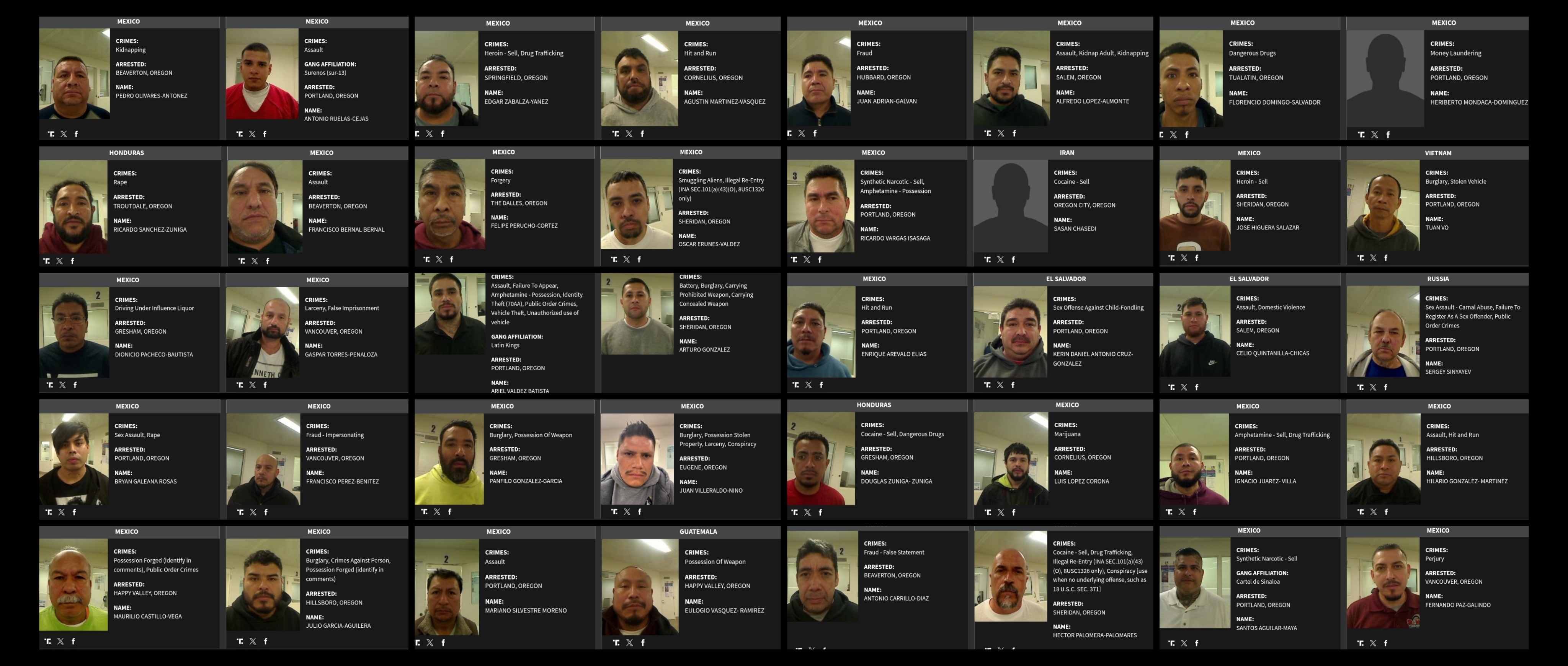
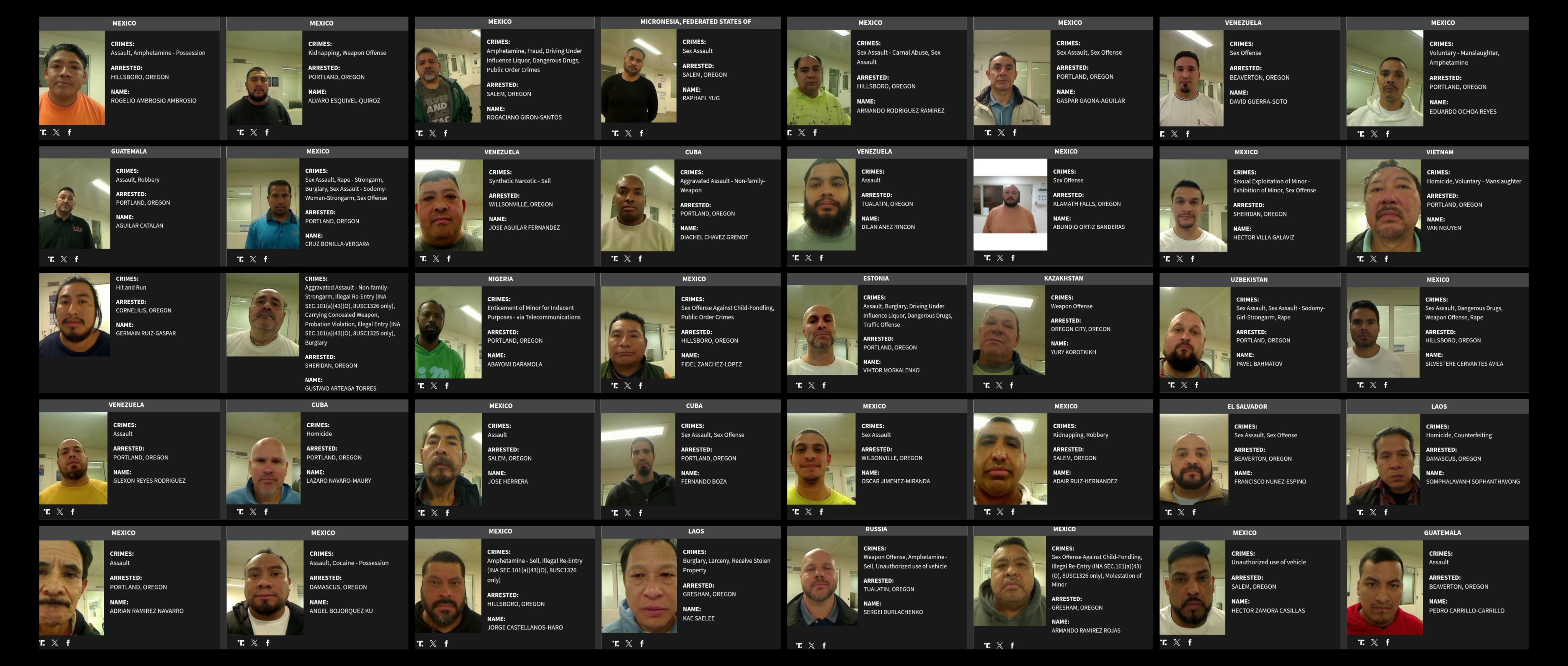
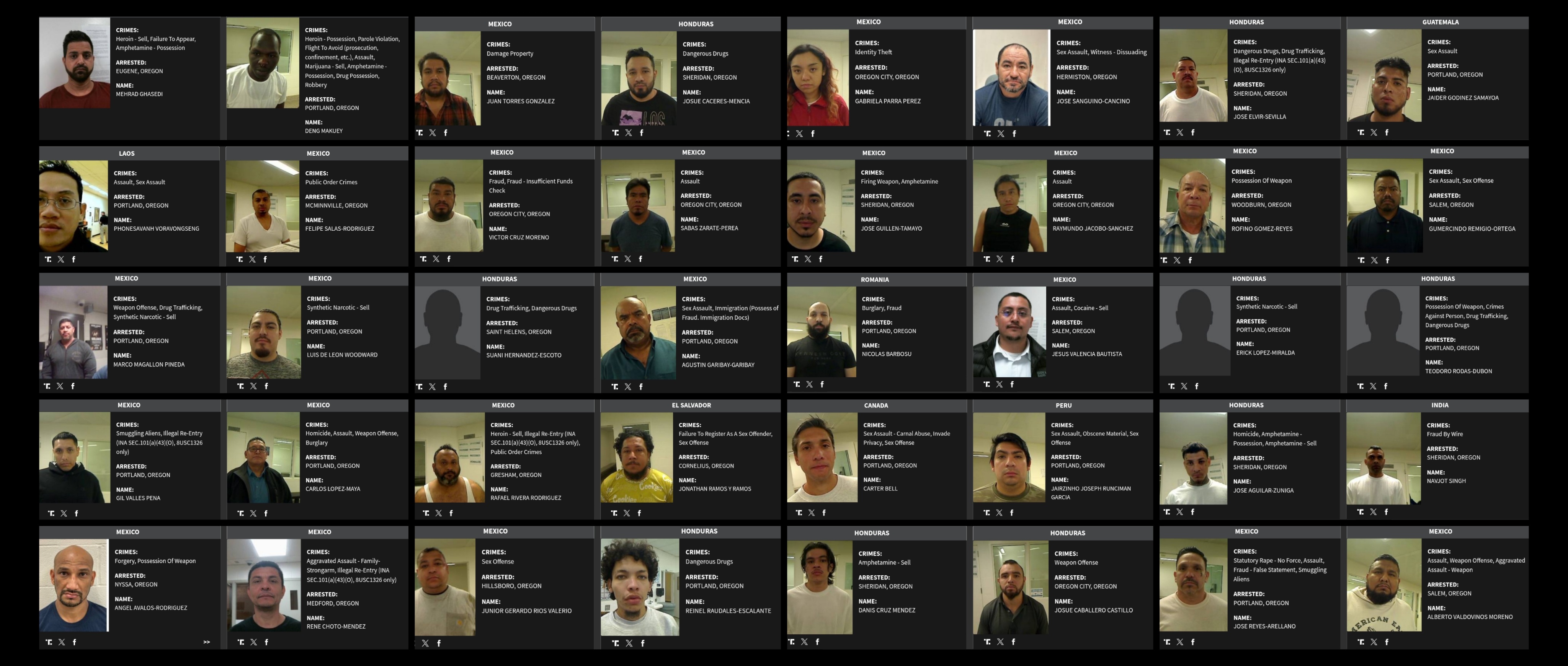
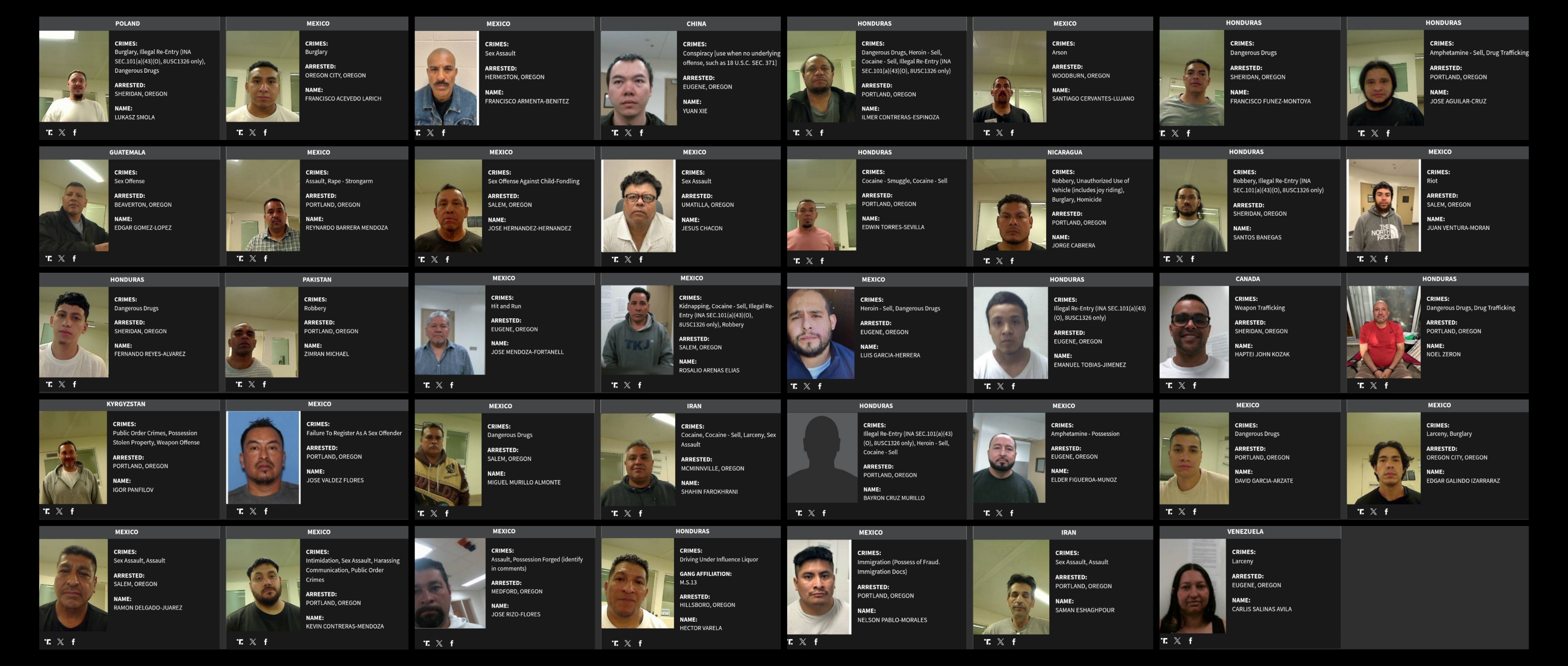
⤵👍🏻👍🏻A Must Read
(Very Short)
From Andy Ngo
#CitizenJournalist
Who broke Portland Antifa story.
#CitizenJournalist
#SpotOn https://truthsocial.com/@JimTLapper/116036585165538825
@JimTLapper https://truthsocial.com/group/american-patriot/statuses/116036613208327313
https://makeoregongreatagain.locals.com/upost/7278400/co-conspirators-are-not-being-ruled-out-there-have-also-been-rumors-of-future-terror-operations-pla