

Samsung's silver-based solid-state battery technology represents a significant advancement in energy storage, particularly for electric vehicles (EVs). The battery utilizes an oxide-based solid electrolyte, eliminating flammable liquid components and enhancing safety and thermal stability.
A key innovation is the integration of a silver-carbon (Ag-C) composite layer within the anode, which enables thinner electrode designs while maintaining structural integrity during charge-discharge cycles.
This architecture achieves an energy density of approximately 500 Wh/kg—nearly double that of mainstream lithium-ion batteries—by optimizing ion transport pathways and minimizing internal resistance.
The Ag-C composite anode contributes to exceptional performance metrics. Silver's high electrical conductivity and mechanical durability facilitate rapid charge transfer, enabling a 9-minute full charge.
The composite also acts as a buffer layer, mitigating volume expansion during lithium-ion intercalation, which is critical for maintaining electrode integrity over the battery's 20-year operational lifespan.
Laboratory tests indicate the solid-state design reduces dendrite formation, extending cycle life to over 1,500 full charges without significant capacity degradation.
Field tests in extreme temperatures (-30°C to 60°C) show less than 5% capacity loss after 500 cycles, demonstrating stable performance.
Each battery cell incorporates approximately 5 grams of silver, translating to about 1 kilogram per 100 kWh vehicle battery pack.
At current silver prices (~$1,071/kg), this adds $1,071 to material costs per vehicle.
However, the extended lifespan and reduced replacement frequency offset this premium.
If 20% of the 16 million EVs produced annually adopted this technology, silver demand would increase by 16,000 metric tons—representing 62% of current global supply.
At full adoption (80% market share), EV batteries alone could consume 64,000 metric tons of silver annually—2.5 times current global production.
The technology is progressing toward commercialization, with pilot lines operational since Q3 2024 and initial deliveries to luxury automakers underway.
The first production vehicles featuring this technology are slated for late 2026, with mass-market models expected by 2030.
Despite this progress, scaling production remains a challenge, with current deposition techniques for the Ag-C layer yielding 30% defect rates, necessitating advanced laser annealing processes.
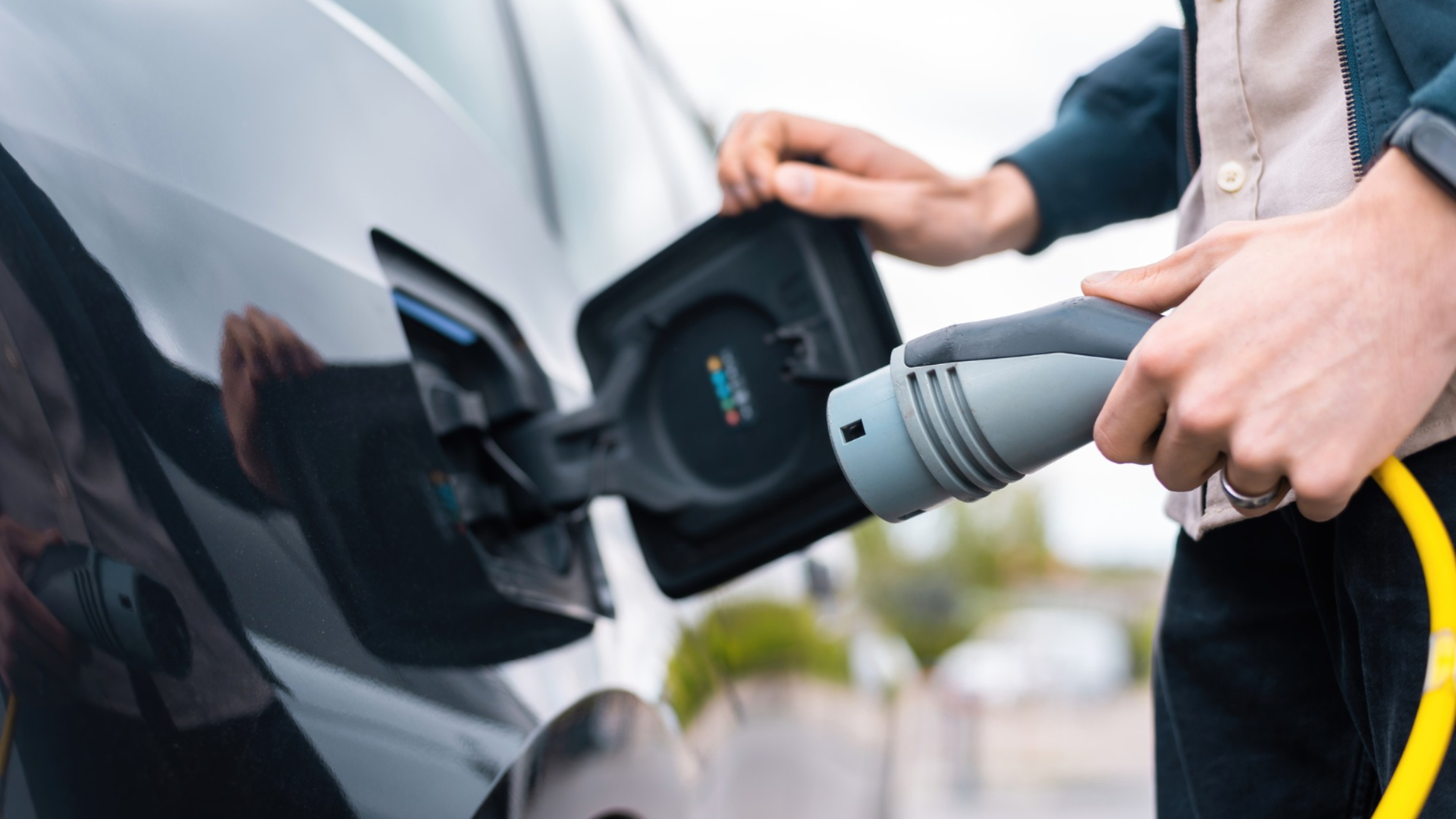
Charging infrastructure also requires upgrades to support 500 kW stations capable of delivering 900 A at 800 V, with plans to deploy 10,000 compatible stations globally by 2027.
Compared to lithium iron phosphate (LFP) batteries, Samsung's technology offers three times the energy density and 50% faster charging.
It also avoids cobalt supply chain risks, with material costs constituting 33% of the bill of materials versus 45% for nickel-manganese-cobalt (NMC) variants.
The battery's 600-mile range eliminates daily charging needs for most drivers, while fast-charging times approximate gasoline refueling convenience.
Lifecycle analyses indicate a 40% reduction in carbon emissions per kWh compared to conventional batteries, primarily due to extended service life and reduced cobalt content.
Other developments in the field include a flexible silver-based coating developed by researchers from Tsinghua University and Tianjin University, which enhances solid-state battery durability in extreme cold. This coating, made from Ag₂S and AgF, allows the battery to operate stably for over 7,000 hours at -30°C, a significant improvement over conventional designs.
This innovation, inspired by natural biological systems, helps distribute mechanical stress and prevents cracking of the solid electrolyte interphase.
Samsung maintains parallel development tracks, including lithium-sulfur and solid-state polymer electrolytes, but the silver-carbon architecture shows superior scalability with pilot lines achieving 80% yield rates.
Cross-licensing agreements with Toyota and QuantumScape suggest industry-wide recognition of its potential.
The technology's success may spur innovations in silver thrifting and recycling, though current recycling infrastructure recovers only 18% of industrial silver.
https://interestingengineering.com/energy/chinas-coating-for-solid-state-ev-batteries
https://group.mercedes-benz.com/innovations/drive-systems/electric/solid-state-battery-test-car.html
https://www.goldenstatemint.com/blog/samsungs-silver-solid-state-battery-technology-1-kilogram-of-silver-per-car/
https://www.metaltechnews.com/story/2025/01/22/tech-metals/samsung-solid-state-set-for-production/2107.html
BREAKING: Iran released the military to attack the USA…
The Pentagon just added overtime hours. https://truthsocial.com/@Qanon76/116194789510611466

Based Christoph Waltz destroyed lefty argument 🔥 https://truthsocial.com/@Qanon76/116192277635300799

it for what it is, pedophilic child grooming material and let them know, they will be held accountable if it is not removed. If it's too offensive to be shown before the school board, then why the fuck is it in our children's libraries.

Worst of the worst for Oregon
These are who Oregon's sanctuary policies are protecting
Here's the link for the Oregon search and below the main worst of the worst.
https://www.dhs.gov/wow?combine=&field_country_of_origin_target_id=All&field_state_value=Oregon&page=0
https://www.dhs.gov/wow