

If a federal judge (district, appeals, or even Supreme Court) is credibly found to be a traitor—meaning they have committed treason as defined in the Constitution (Article III, §3) or related high crimes such as espionage, aiding enemies in wartime, or participating in an insurrection against the United States—then the removal process becomes much more realistic, though still not something the president can do unilaterally.
Here’s exactly what happens in that scenario:
1.Treason or “Treason-adjacent” Crimes (e.g., 18 U.S.C. §2381 Treason, §2384 Seditious Conspiracy, Espionage Act, Insurrection)
The Department of Justice (under the president) can investigate and indict the judge, just like any other citizen.
If indicted and convicted in a regular criminal trial (by a jury), the judge could be sentenced to prison or even (theoretically) death.
Conviction does NOT automatically remove a federal judge from the bench. Lifetime tenure continues unless and until Congress acts.
2.Impeachment and Removal (the only way to actually strip the judgeship)
Even after a criminal conviction for treason, the House must still impeach and the Senate must convict by 2/3 vote to remove the judge from office.
Once removed by the Senate, the judge loses the seat, salary, and all judicial immunity going forward.
Historical precedent: Federal Judge West Humphreys (Tennessee) was impeached and removed in 1862 for the explicit act of joining the Confederacy—literally taking up arms against the United States. That’s the closest real-world example of removing a judge for “treason.”
3.What the President Can (and Cannot) Do Directly
Can do:
Order the DOJ/FBI to investigate credible evidence of treason or espionage.
Publicly call the judge a traitor and demand impeachment.
Pardon the judge if convicted (politically suicidal in a real treason case, but legally possible).
In an extreme national-security emergency, direct the U.S. Marshals Service (which protects federal judges) to place the judge under protective custody or restrict their movements while an investigation proceeds.
Cannot do:
Unilaterally declare the judge a traitor and fire them.
Suspend their salary or benefits without congressional action.
Order their arrest and immediate removal from the bench without due process.
Real-World Likelihood
Actual treason by an Article III judge is extraordinarily rare—one case in 160+ years (Judge Humphreys in 1862).
Even in politically charged moments (e.g., accusations that judges are “enemies of the people” or “aiding illegal immigration = treason”), no modern president has ever successfully impeached and removed a judge on treason-related grounds.
The bar for Senate conviction is extremely high (67 votes), so unless the evidence is overwhelming and bipartisan, removal still fails.
Bottom Line if a Judge Is Proven to Be a Traitor
Yes, they can absolutely be removed—but only through congressional impeachment and conviction, even after a criminal treason trial. https://truthsocial.com/@PepeDeluxe/115690644866392988

BREAKING: Iran released the military to attack the USA…
The Pentagon just added overtime hours. https://truthsocial.com/@Qanon76/116194789510611466

Based Christoph Waltz destroyed lefty argument 🔥 https://truthsocial.com/@Qanon76/116192277635300799

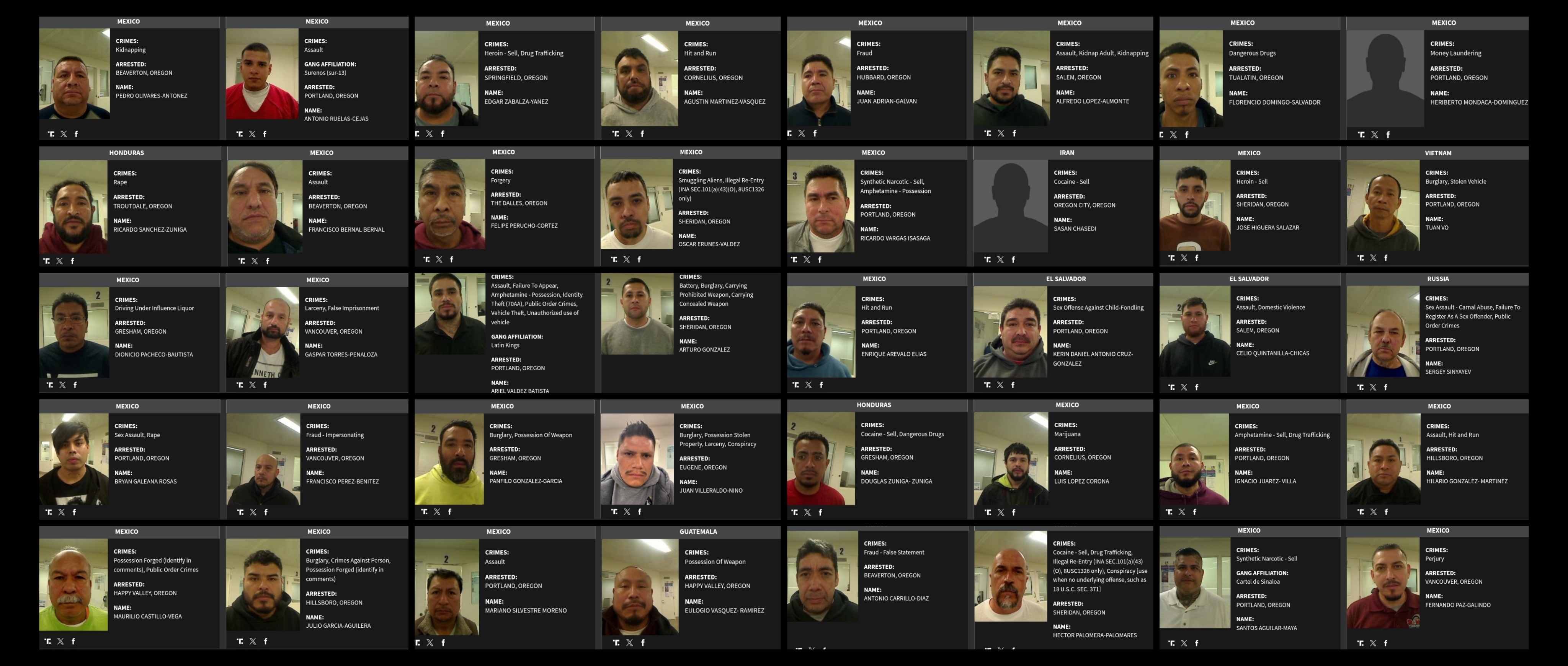
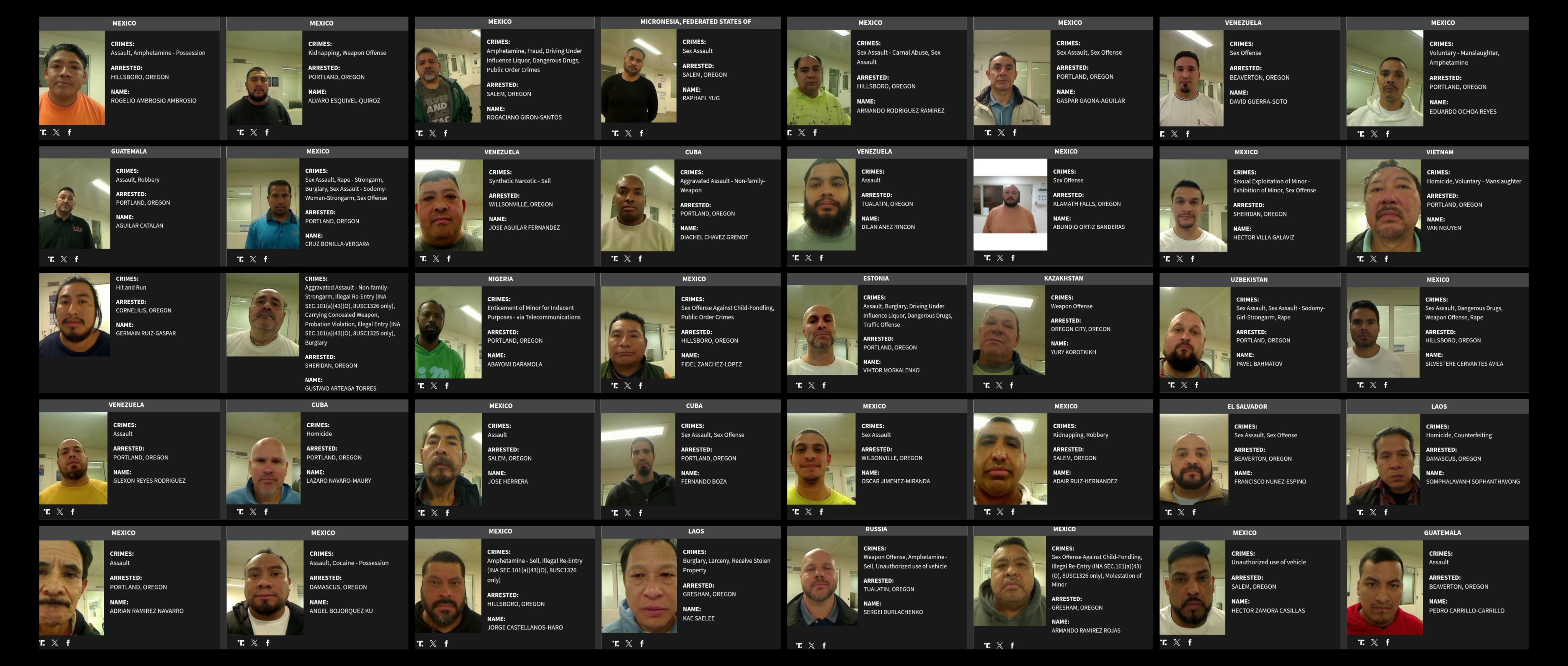
Worst of the worst for Oregon
These are who Oregon's sanctuary policies are protecting
Here's the link for the Oregon search and below the main worst of the worst.
https://www.dhs.gov/wow?combine=&field_country_of_origin_target_id=All&field_state_value=Oregon&page=0
https://www.dhs.gov/wow



⤵👍🏻👍🏻A Must Read
(Very Short)
From Andy Ngo
#CitizenJournalist
Who broke Portland Antifa story.
#CitizenJournalist
#SpotOn https://truthsocial.com/@JimTLapper/116036585165538825
@JimTLapper https://truthsocial.com/group/american-patriot/statuses/116036613208327313
https://makeoregongreatagain.locals.com/upost/7278400/co-conspirators-are-not-being-ruled-out-there-have-also-been-rumors-of-future-terror-operations-pla