

Article I, section 8
Article I, section 10
Article III, section 3
Article IV sections 1,2,3,4
Article VI, paragraph 3
Amendment XIV, sect
Article I, Section 8 of the United States Constitution grants Congress specific enumerated powers, including the authority to lay and collect taxes, duties, imposts, and excises to pay debts and provide for the common defense and general welfare of the United States, with all such duties, imposts, and excises required to be uniform throughout the United States.
Congress also has the power to regulate commerce among the several states, coin money, regulate its value, fix standards of weights and measures, establish post offices and post roads, grant patents and copyrights, and create lower federal courts.
The section includes the Necessary and Proper Clause, which allows Congress to make laws that are necessary and proper for carrying out its enumerated powers and other powers vested in the federal government.
This section also grants Congress the power to raise and support armies, provide and maintain a navy, make rules for the regulation of land and naval forces, declare war, and provide for the militia.
The power to tax and spend for the general welfare is a central component of Congress's authority, and the power of the purse gives Congress significant influence over the executive branch.
Article I, Section 10 places limits on the powers of the states, prohibiting them from entering into any treaty, alliance, or confederation; granting letters of marque and reprisal; coining money; emitting bills of credit; making anything but gold and silver coin a tender in payment of debts; passing any bill of attainder, ex post facto law, or law impairing the obligation of contracts; or without the consent of Congress, laying any imposts or duties on imports or exports, except what may be absolutely necessary for executing their inspection laws.
The section also prohibits states from keeping troops or ships of war in time of peace, engaging in war unless actually invaded or in imminent danger, or engaging in war without the consent of Congress.
Article III, Section 3 establishes the definition of treason against the United States, stating that treason consists only in levying war against the United States or in adhering to their enemies, giving them aid and comfort. It specifies that no person shall be convicted of treason unless on the testimony of two witnesses to the same overt act, or on confession in open court.
Article IV, Sections 1 through 4 establish the relationship between the states and the federal government. Section 1 requires that full faith and credit be given to the public acts, records, and judicial proceedings of every other state.
Section 2 guarantees that citizens of each state shall be entitled to all privileges and immunities of citizens in the several states, and provides for the rendition of fugitives from justice and persons escaping from service or labor.
Section 3 allows Congress to admit new states into the Union, but prohibits the creation of new states within the jurisdiction of any existing state without the consent of the state's legislature and Congress.
Section 4 guarantees to every state in the Union a republican form of government and protection against invasion and domestic violence upon the application of the state legislature or executive.
Article VI, Paragraph 3 states that the Constitution, and the laws of the United States made in pursuance thereof, and all treaties made, or which shall be made, under the authority of the United States, shall be the supreme law of the land; and judges in every state shall be bound thereby, anything in the constitution or laws of any state to the contrary notwithstanding.
Amendment XIV, Section 1 defines citizenship, stating that all persons born or naturalized in the United States, and subject to the jurisdiction thereof, are citizens of the United States and of the state wherein they reside. It also prohibits states from making or enforcing any law which shall abridge the privileges or immunities of citizens of the United States, or deprive any person of life, liberty, or property without due process of law, or deny to any person within its jurisdiction the equal protection of the laws.
This section also addresses the validity of public debt and the disqualification of former Confederate officials from holding office, though the latter has been largely superseded by subsequent legislation and constitutional interpretation.ion 1
BREAKING: Iran released the military to attack the USA…
The Pentagon just added overtime hours. https://truthsocial.com/@Qanon76/116194789510611466

Based Christoph Waltz destroyed lefty argument 🔥 https://truthsocial.com/@Qanon76/116192277635300799
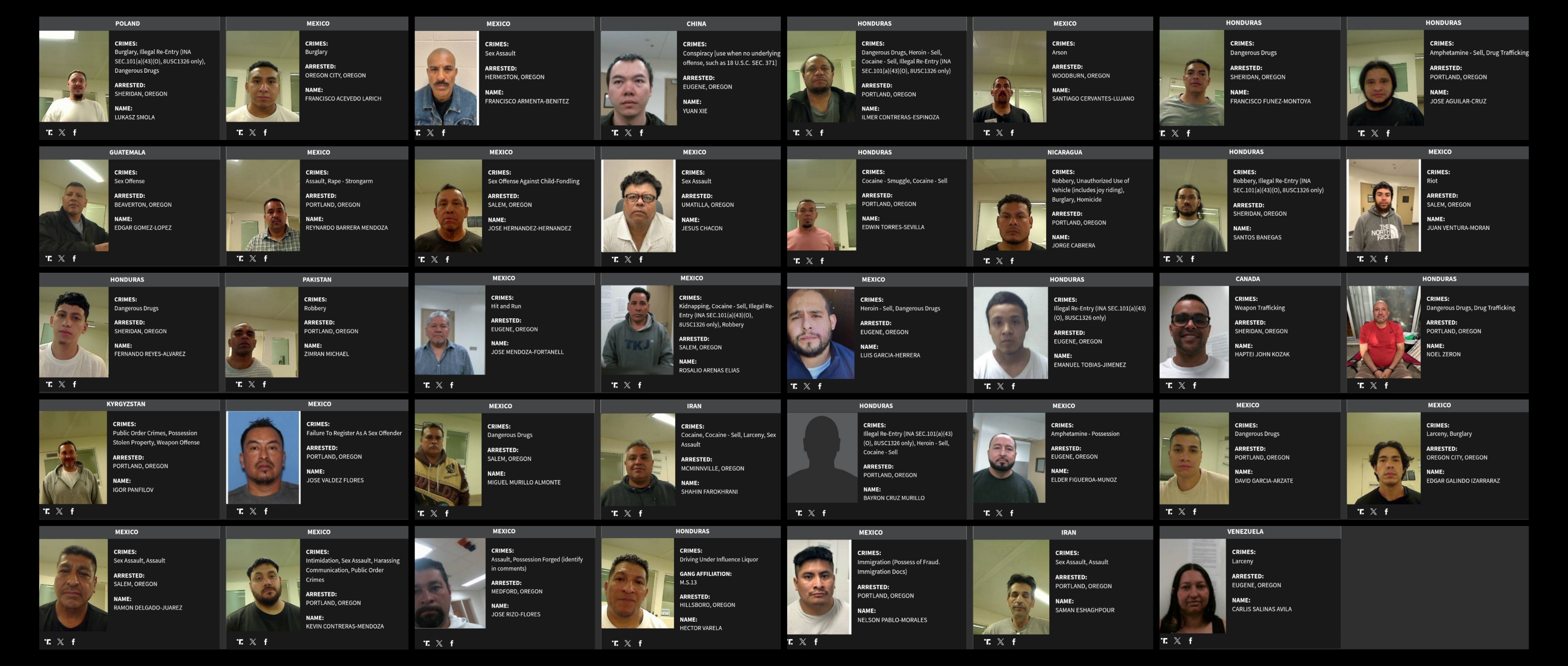
Worst of the worst for Oregon
These are who Oregon's sanctuary policies are protecting
Here's the link for the Oregon search and below the main worst of the worst.
https://www.dhs.gov/wow?combine=&field_country_of_origin_target_id=All&field_state_value=Oregon&page=0
https://www.dhs.gov/wow
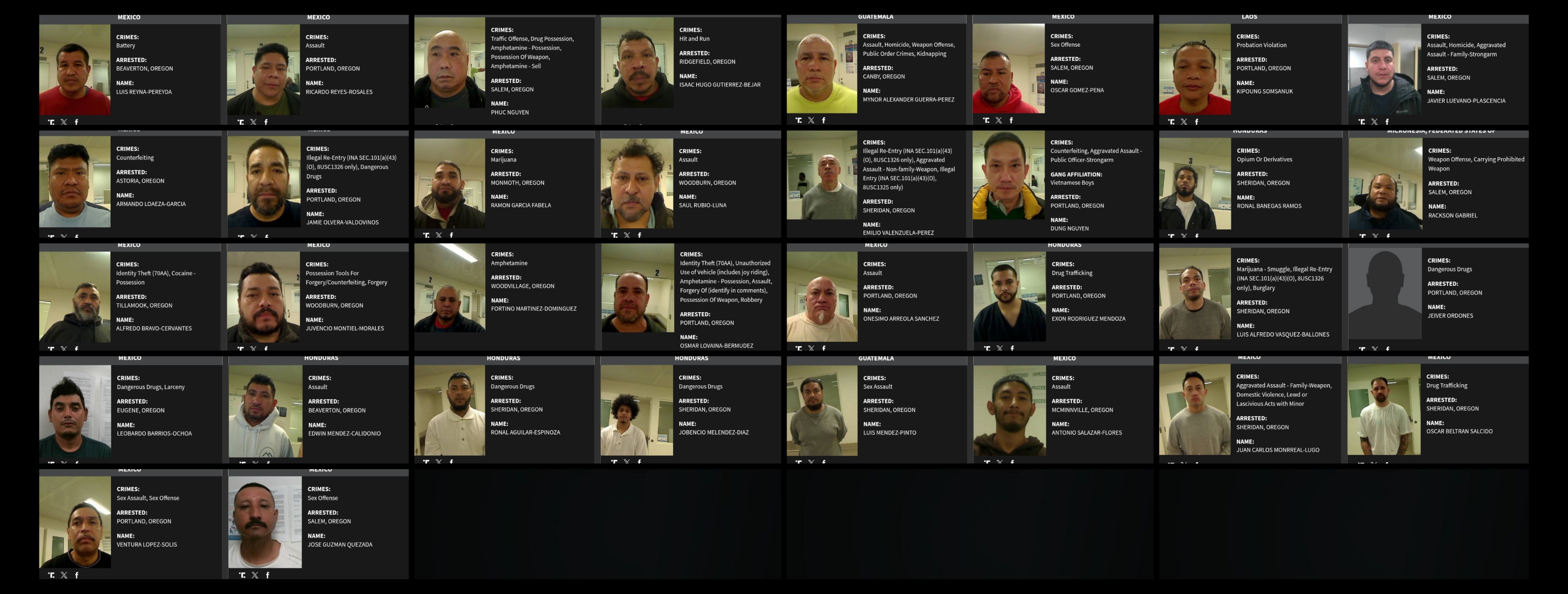
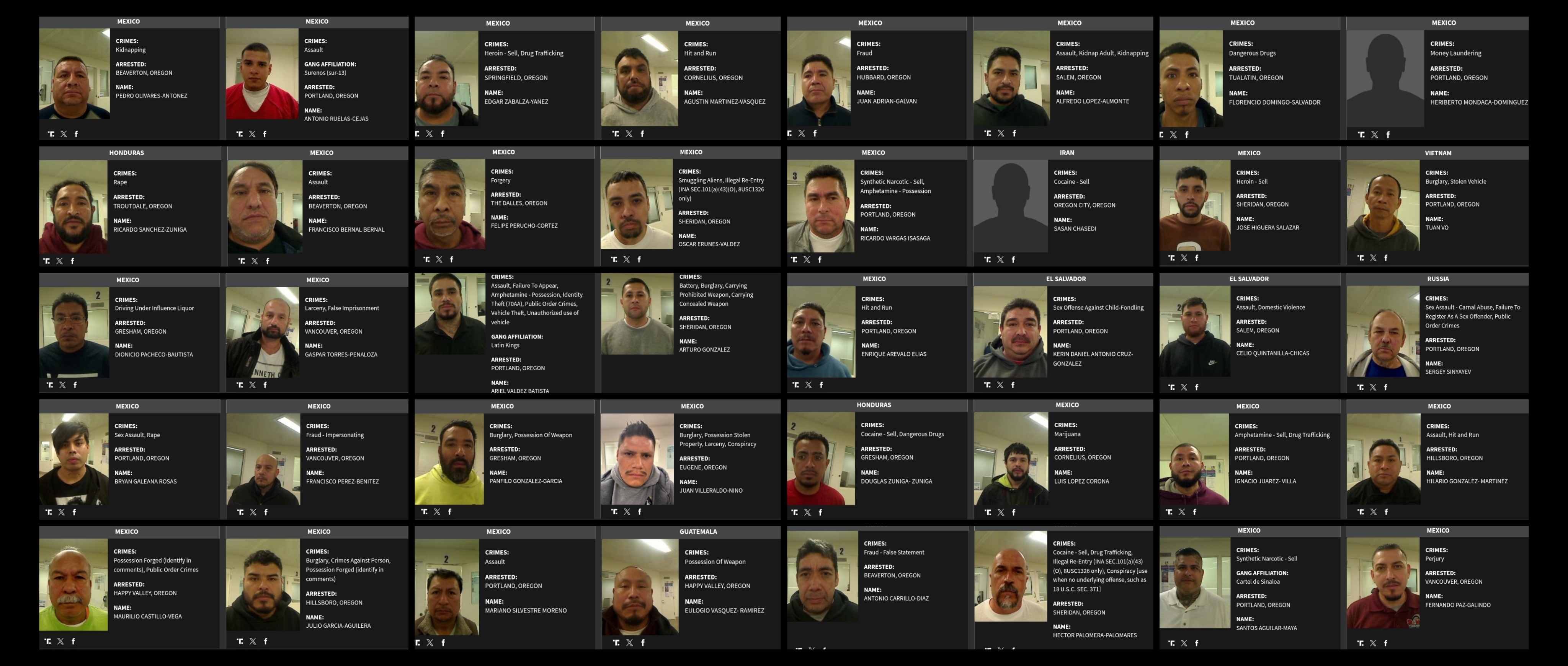
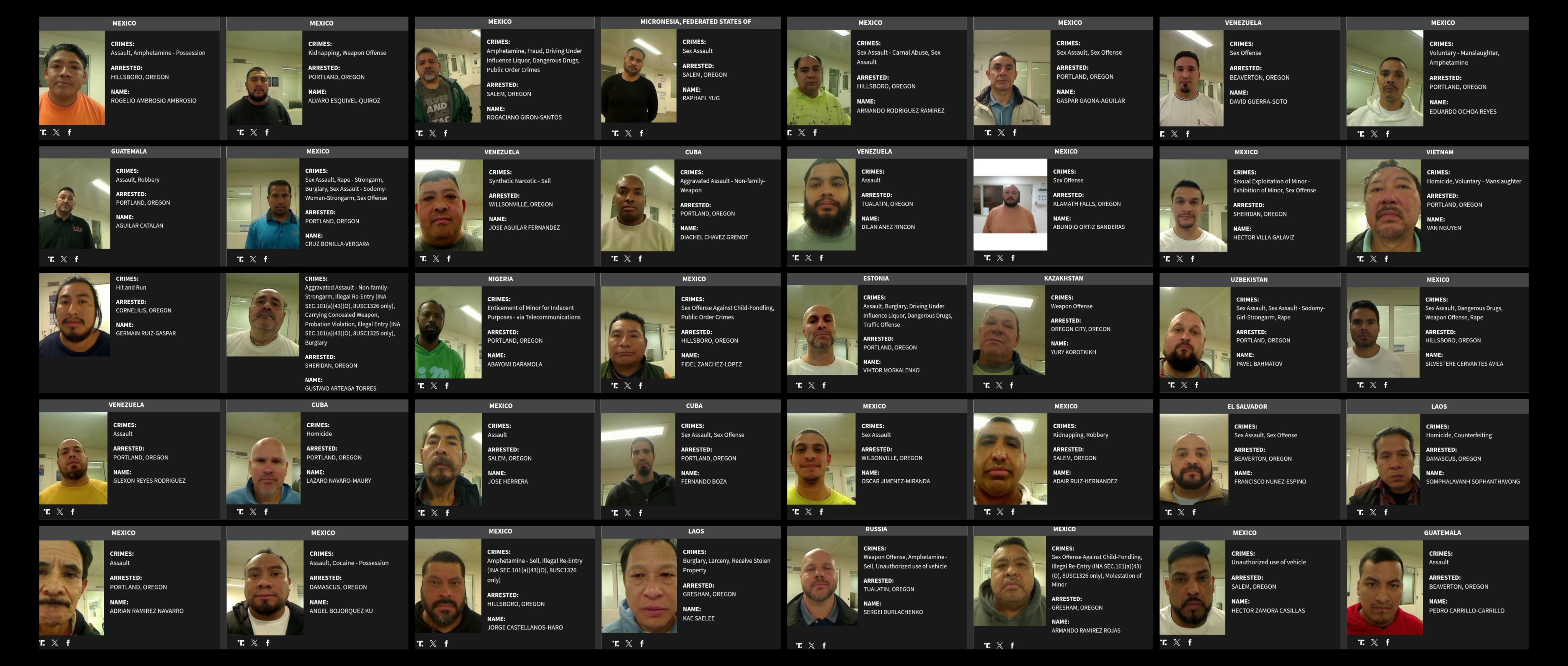
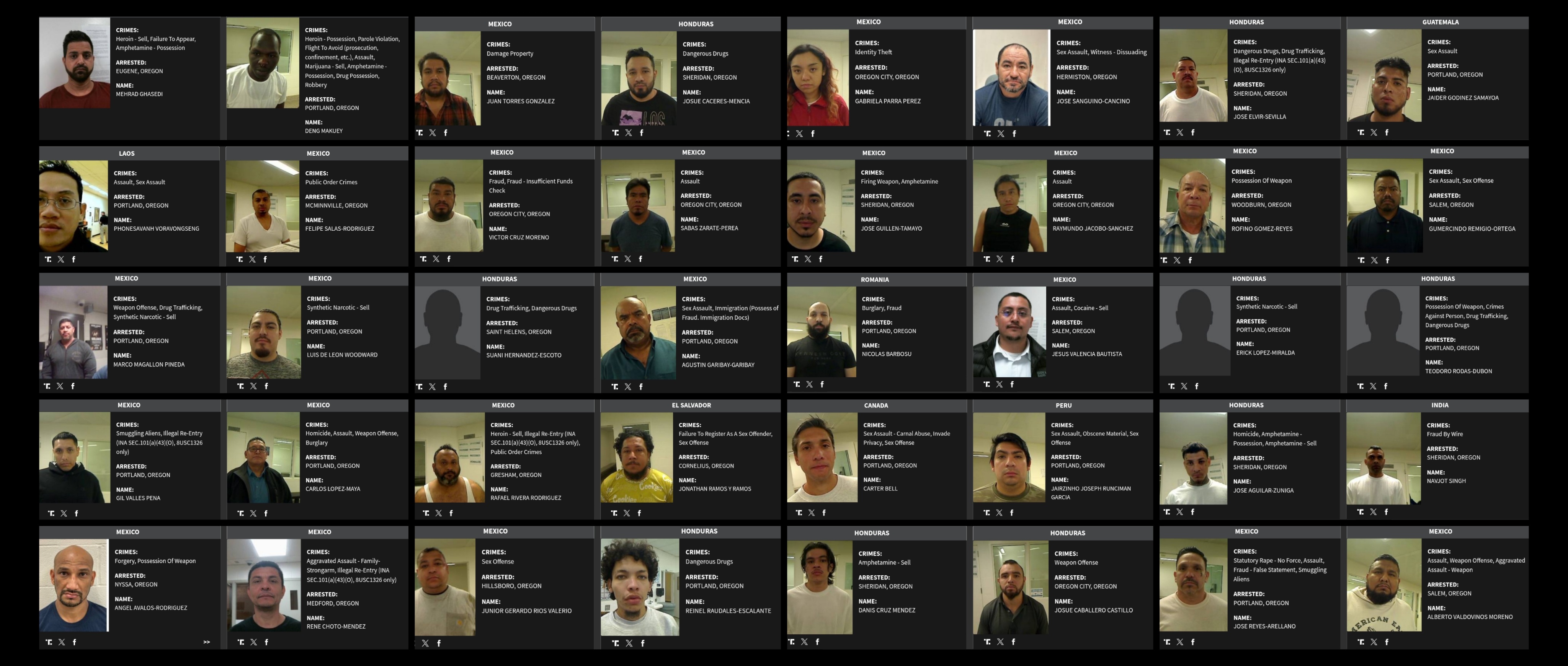
⤵👍🏻👍🏻A Must Read
(Very Short)
From Andy Ngo
#CitizenJournalist
Who broke Portland Antifa story.
#CitizenJournalist
#SpotOn https://truthsocial.com/@JimTLapper/116036585165538825
@JimTLapper https://truthsocial.com/group/american-patriot/statuses/116036613208327313
https://makeoregongreatagain.locals.com/upost/7278400/co-conspirators-are-not-being-ruled-out-there-have-also-been-rumors-of-future-terror-operations-pla