

The Insurrection Act is a United States federal law that empowers the president to deploy the U.S. military and federalize National Guard troops within the country to suppress civil disorder, insurrection, or rebellion.
Originally enacted in 1807 and signed into law by President Thomas Jefferson on March 3, 1807, it authorizes the president to use armed forces in cases of insurrection, domestic violence, unlawful combinations, or conspiracies that hinder the enforcement of laws or deprive individuals of constitutional rights.
The Act serves as a statutory exception to the Posse Comitatus Act of 1878, which generally prohibits the use of federal military personnel for domestic law enforcement.
Under the Insurrection Act, the president may deploy military forces under three main provisions: when requested by a state’s legislature or governor to address an insurrection (10 U.S.C. § 251); when rebellion or obstruction makes it impracticable to enforce federal laws through ordinary judicial proceedings (§ 252); or when constitutional rights are being denied and state authorities fail to protect them (§ 253).
Before deploying troops, the president must issue a proclamation ordering insurgents to disperse, as required by 10 U.S.C. § 254.
The law has been invoked numerous times throughout U.S. history, including during labor disputes in the 19th and early 20th centuries, the Civil Rights Movement—when Presidents Dwight D. Eisenhower and John F. Kennedy used it to enforce desegregation—and during the 1992 Los Angeles riots following the Rodney King verdict.
The last official invocation was in 1992, making this the longest period without use in U.S. history.
Although the Act allows federal intervention without state consent under certain conditions—such as during Reconstruction to combat the Ku Klux Klan and protect civil rights—it has faced criticism for being overly broad and lacking clear constraints on presidential discretion.
In 2007, an amendment briefly expanded presidential power to invoke the Act during emergencies without state approval, but it was repealed in 2008 after opposition from all 50 governors.
More recently, President Donald Trump considered invoking the Act during the George Floyd protests in 2020 and again in 2025 amid anti-deportation protests in Los Angeles, though it was not ultimately invoked.
On January 20, 2025, Trump signed an executive order directing defense and homeland security officials to assess conditions at the southern border and evaluate whether the Act should be invoked; the resulting April 2025 report recommended against it.
Legal scholars and organizations like the Brennan Center argue that the Insurrection Act, largely unchanged for over 150 years, is dangerously vague and in need of reform to prevent potential abuse of presidential power.
Proposals such as the CIVIL Act, introduced in 2020, seek to impose congressional oversight, limit troop deployment duration, and require joint certification by top officials before invocation.
BREAKING: Iran released the military to attack the USA…
The Pentagon just added overtime hours. https://truthsocial.com/@Qanon76/116194789510611466

Based Christoph Waltz destroyed lefty argument 🔥 https://truthsocial.com/@Qanon76/116192277635300799
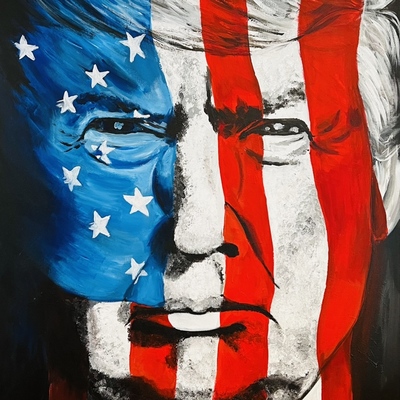
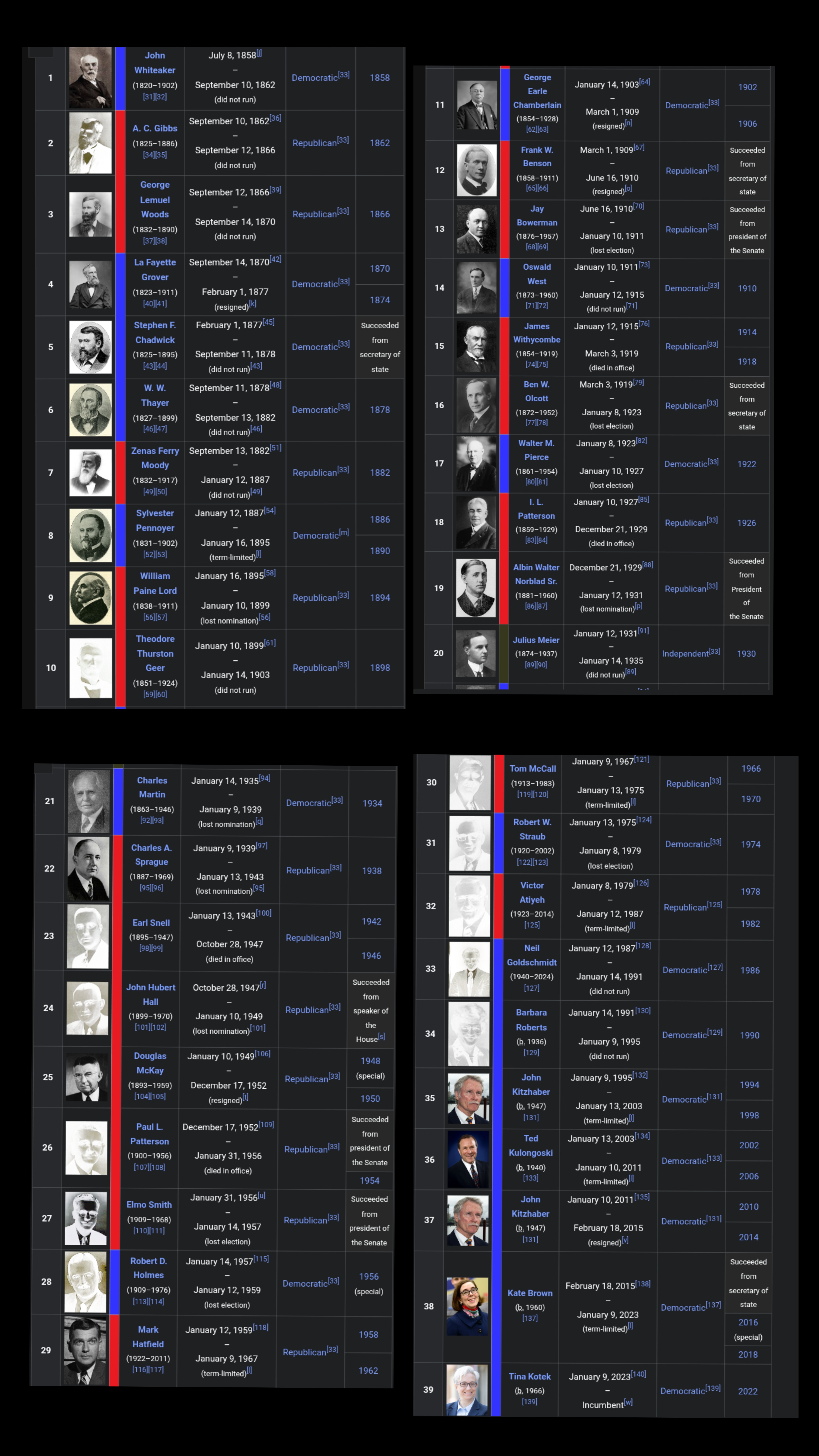
Worst of the worst for Oregon
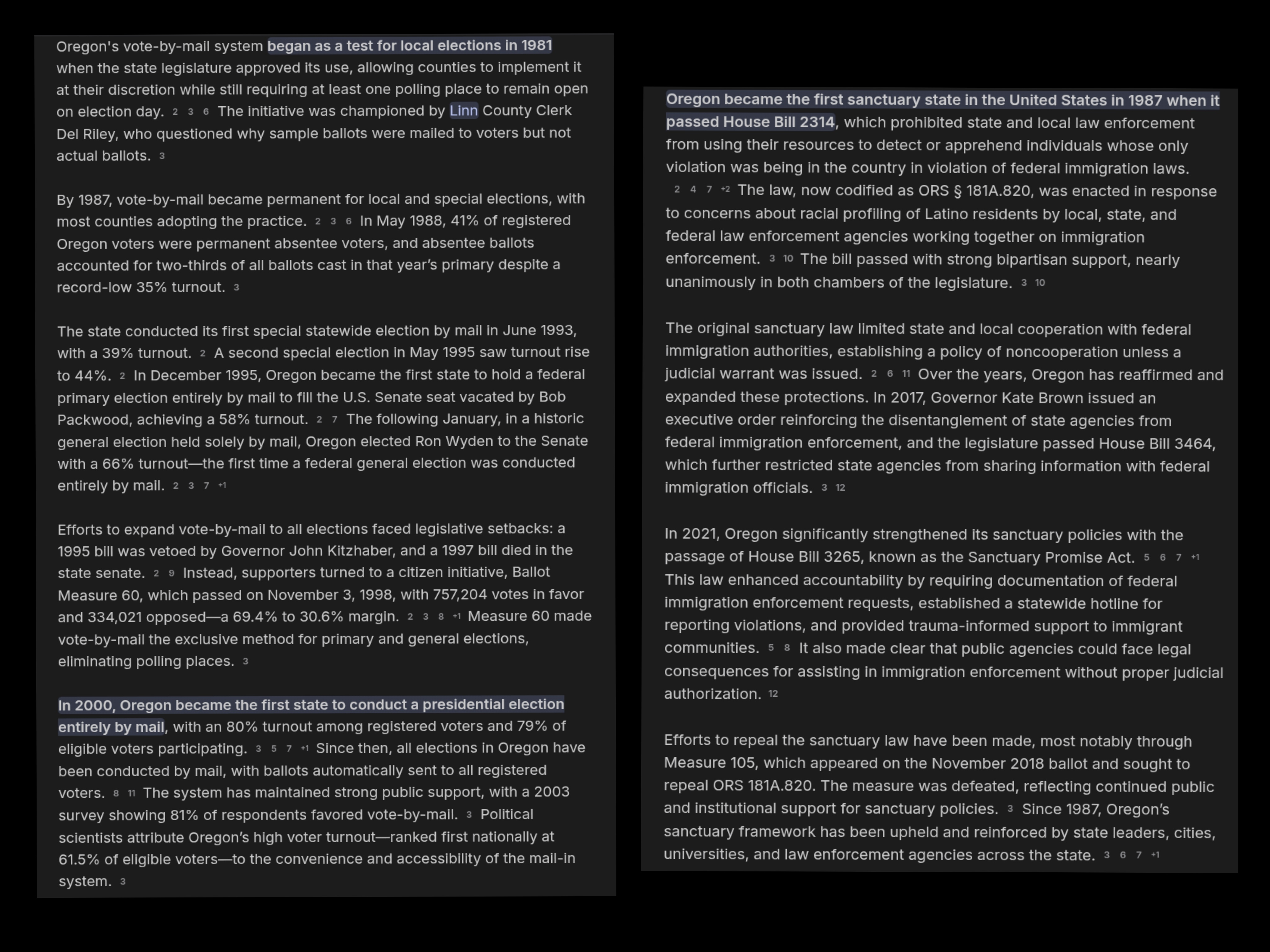
These are who Oregon's sanctuary policies are protecting
Here's the link for the Oregon search and below the main worst of the worst.
https://www.dhs.gov/wow?combine=&field_country_of_origin_target_id=All&field_state_value=Oregon&page=0
https://www.dhs.gov/wow
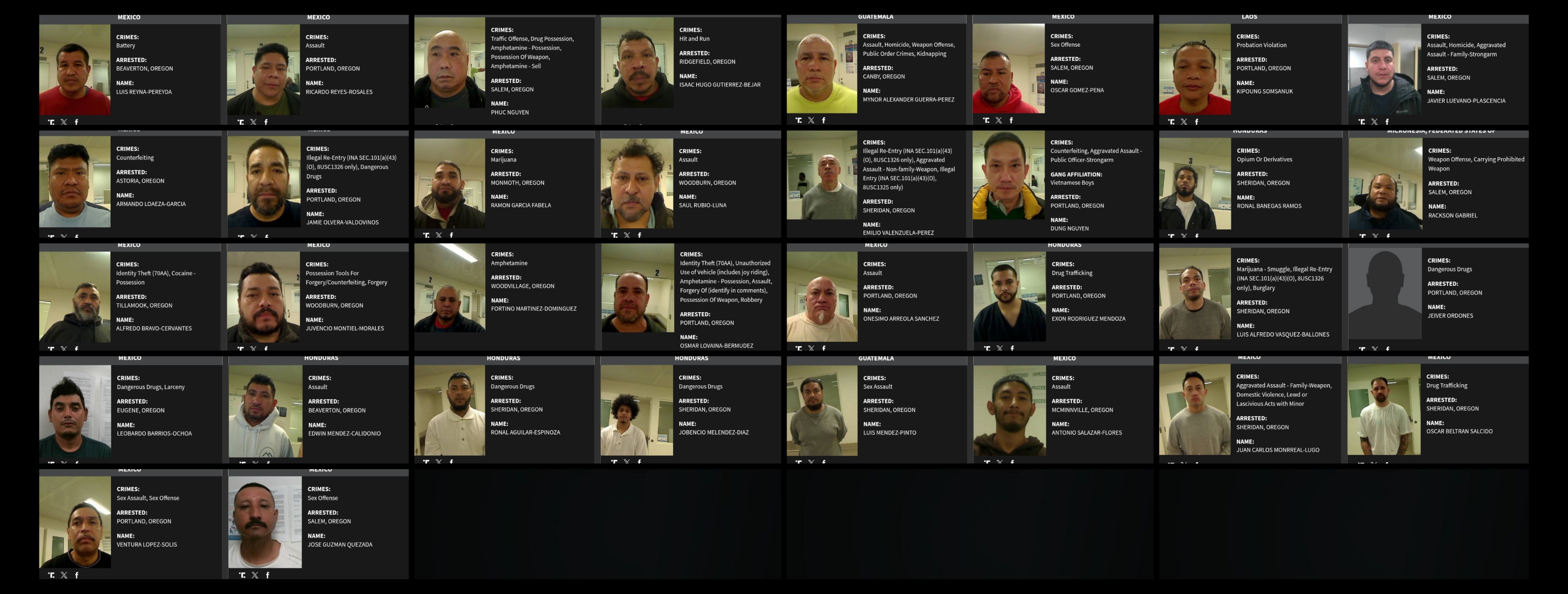
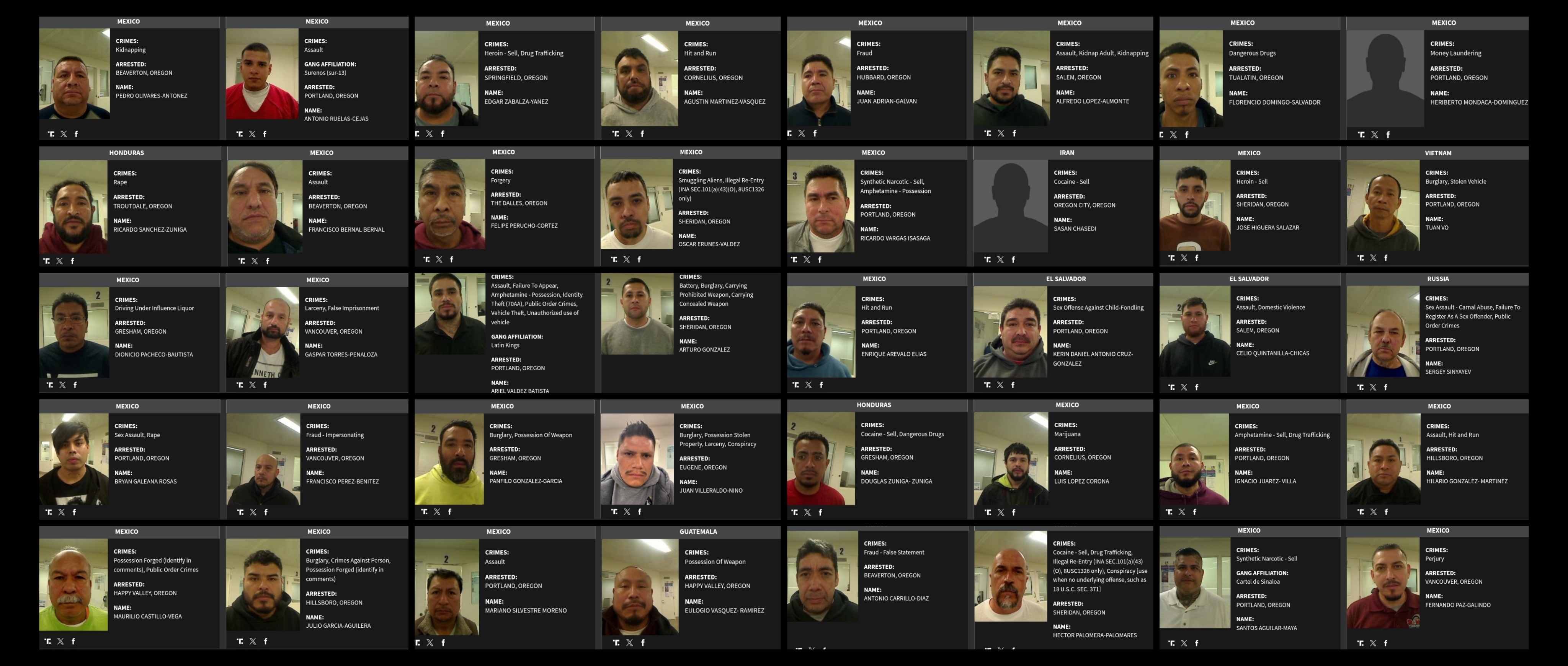
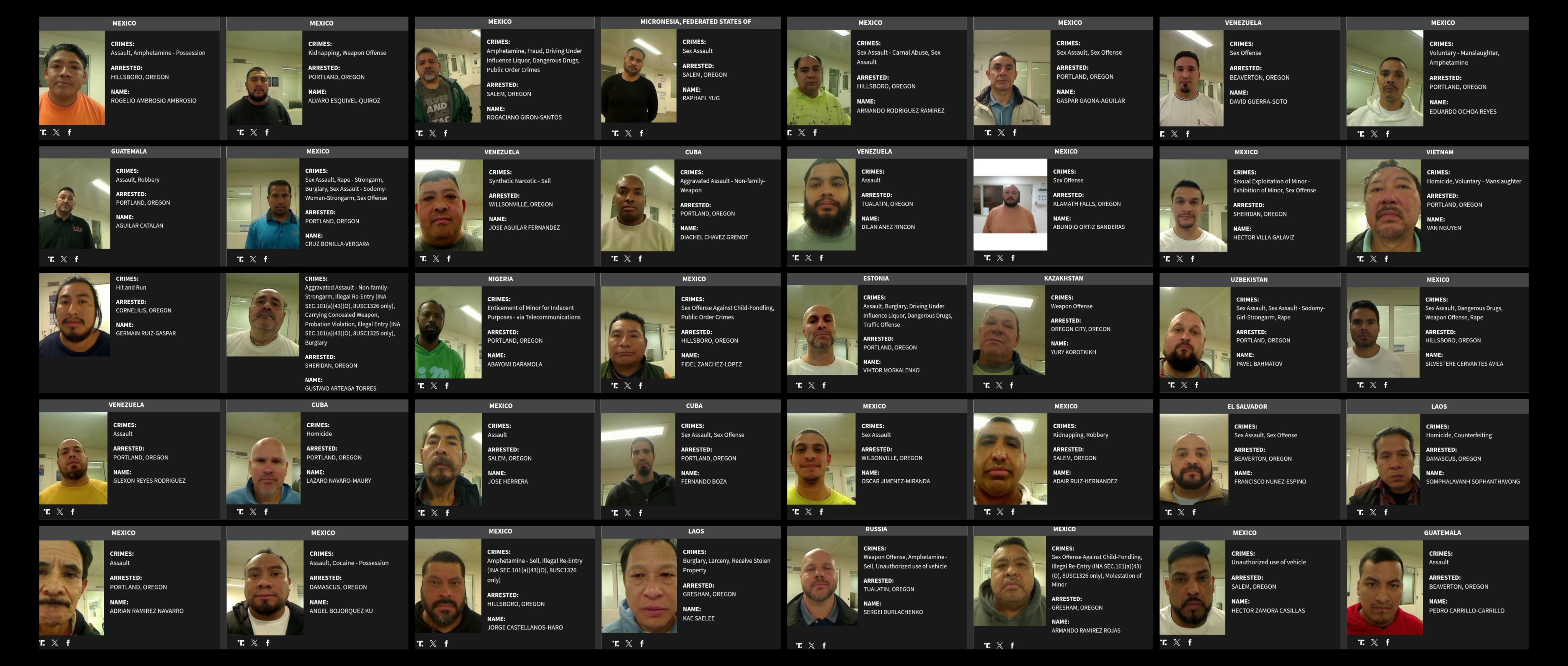
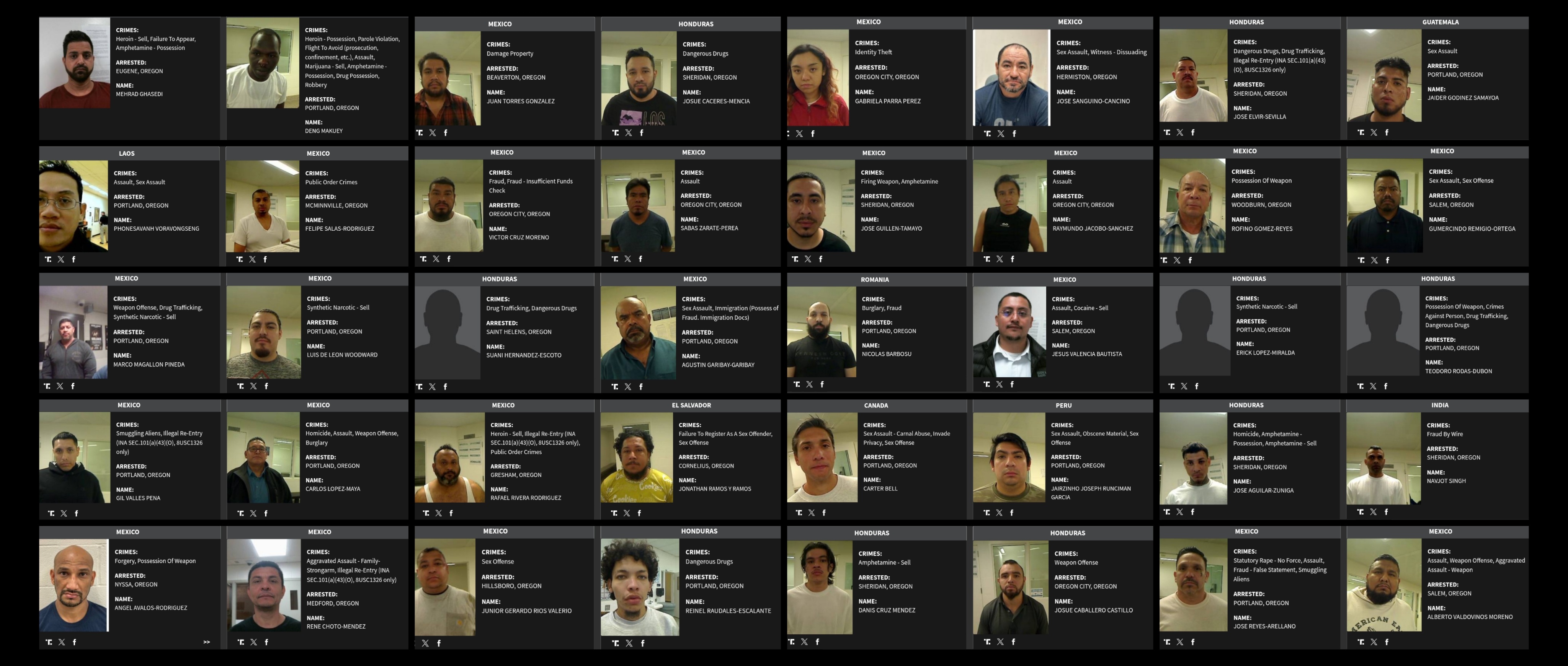
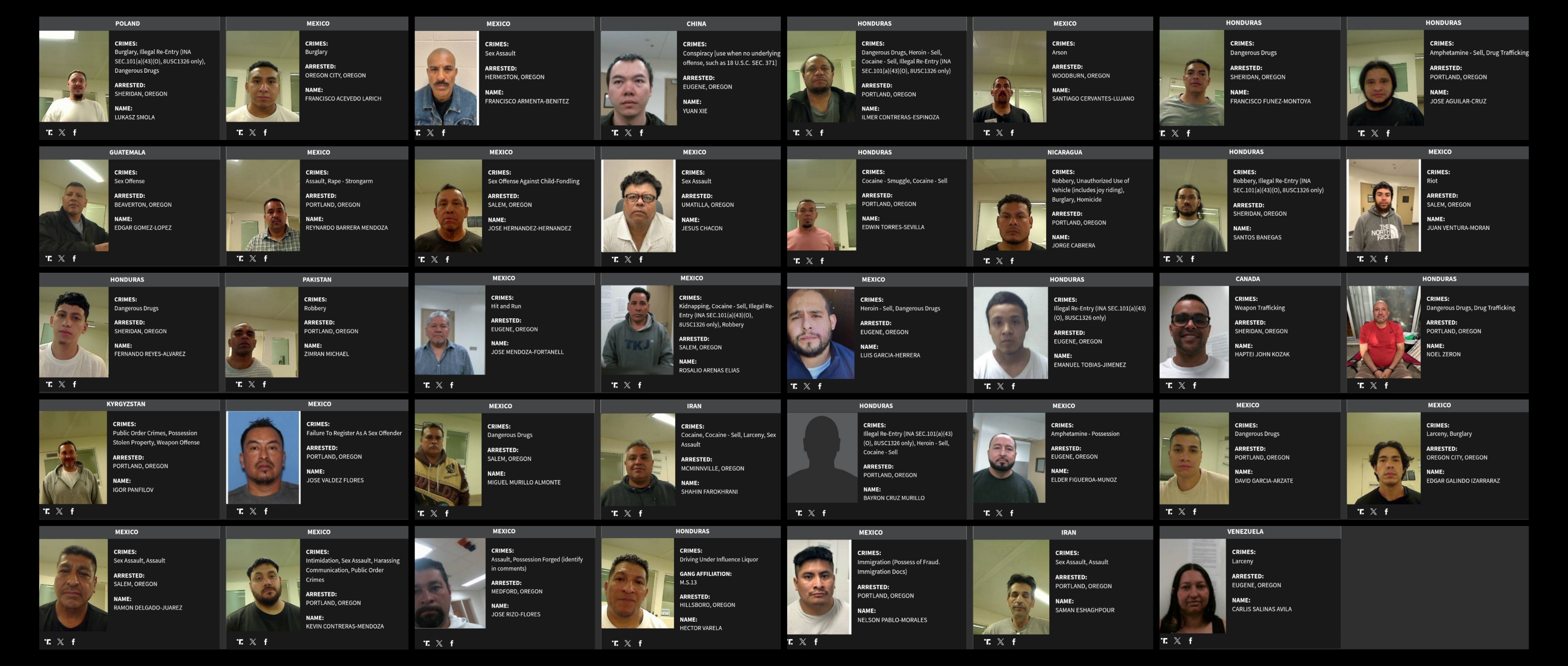
⤵👍🏻👍🏻A Must Read
(Very Short)
From Andy Ngo
#CitizenJournalist
Who broke Portland Antifa story.
#CitizenJournalist
#SpotOn https://truthsocial.com/@JimTLapper/116036585165538825
@JimTLapper https://truthsocial.com/group/american-patriot/statuses/116036613208327313
https://makeoregongreatagain.locals.com/upost/7278400/co-conspirators-are-not-being-ruled-out-there-have-also-been-rumors-of-future-terror-operations-pla