

The autopen, formally known as an automatic pen or signing machine, is a mechanical device designed to replicate a human signature using a motorized mechanical arm.
The origins of signature replication technology trace back to 1803 when British-American inventor John Isaac Hawkins patented a device called the polygraph, which allowed a user to write with one pen while a mechanically linked second pen simultaneously reproduced the writing.
Thomas Jefferson extensively used this device during his presidency, acquiring two units—one for the White House and one for his home at Monticello.
Although the polygraph required simultaneous manual writing and copying, it laid the conceptual groundwork for fully automated signature machines. The first device resembling the modern autopen was the Robot Pen, developed in the 1930s and commercially available by 1937. It recorded a signer’s signature on a medium similar to a vinyl record, enabling mass reproduction of the signature when needed.
The first commercially successful autopen was developed by Robert M. De Shazo Jr. in 1942, following a request from the U.S. Navy.
This marked the beginning of widespread government adoption, with autopens soon appearing in offices across Congress, the Senate, and the Executive Branch.
By the mid-20th century, politicians and celebrities began using autopens to manage the high volume of correspondence and autograph requests.
Presidential use of the autopen became more prominent in the 1950s and 1960s. While Harry S. Truman is rumored to have used it for signing checks and mail, Gerald Ford's administration was the first to openly acknowledge its use.
Lyndon B. Johnson further publicized the device by allowing it to be photographed, even appearing on the cover of The National Enquirer with the headline “The Robot That Sits in for the President”.
John F. Kennedy was also reported to have relied heavily on the autopen, contributing to the rarity of his authentic signature at the time.
Modern autopens store a digital or physical template of a signature—early models used a plastic (PMMA) matrix with engraved channels that guided a stylus, while contemporary versions use digital programming to control a robotic arm that holds an actual pen, producing signatures with ink on paper.
This method creates uniform pressure, distinguishing autopen signatures from hand-written ones, which vary in pressure and stroke.
The constitutional validity of presidential use of the autopen for signing legislation has been debated. In 2005, the U.S. Department of Justice found that using an autopen to sign bills was consistent with Article I, Section 7 of the Constitution, though George W. Bush, who requested the opinion, did not use it for legislation.
Barack Obama became the first president to sign legislation into law using an autopen, doing so in 2011 to extend provisions of the Patriot Act while he was in France, and again in 2013 to sign the fiscal cliff bill from Hawaii.
In May 2024, Joe Biden used an autopen to sign a short-term funding extension for the Federal Aviation Administration while traveling in San Francisco.
Controversies have arisen over the perceived inauthenticity of autopen signatures. In 2004, Donald Rumsfeld faced criticism for using an autopen to sign condolence letters to families of fallen soldiers.
In 2022, Bob Dylan and his publisher Simon & Schuster apologized and offered refunds after it was revealed that autographed copies of Dylan’s book The Philosophy of Modern Song were signed with an autopen, contrary to being marketed as “hand-signed”.
Dylan attributed his use of the machine to health issues, including vertigo and disruptions caused by the COVID-19 pandemic.
Beyond politics, autopens are widely used in banking, business, and entertainment to sign checks, contracts, and fan memorabilia efficiently and consistently.
Canadian author Margaret Atwood developed a remote signing device called the LongPen, which allows real-time audio and video interaction between the signer and recipient while a robotic arm reproduces the signature from a distance.
BREAKING: Iran released the military to attack the USA…
The Pentagon just added overtime hours. https://truthsocial.com/@Qanon76/116194789510611466

Based Christoph Waltz destroyed lefty argument 🔥 https://truthsocial.com/@Qanon76/116192277635300799
it for what it is, pedophilic child grooming material and let them know, they will be held accountable if it is not removed. If it's too offensive to be shown before the school board, then why the fuck is it in our children's libraries.
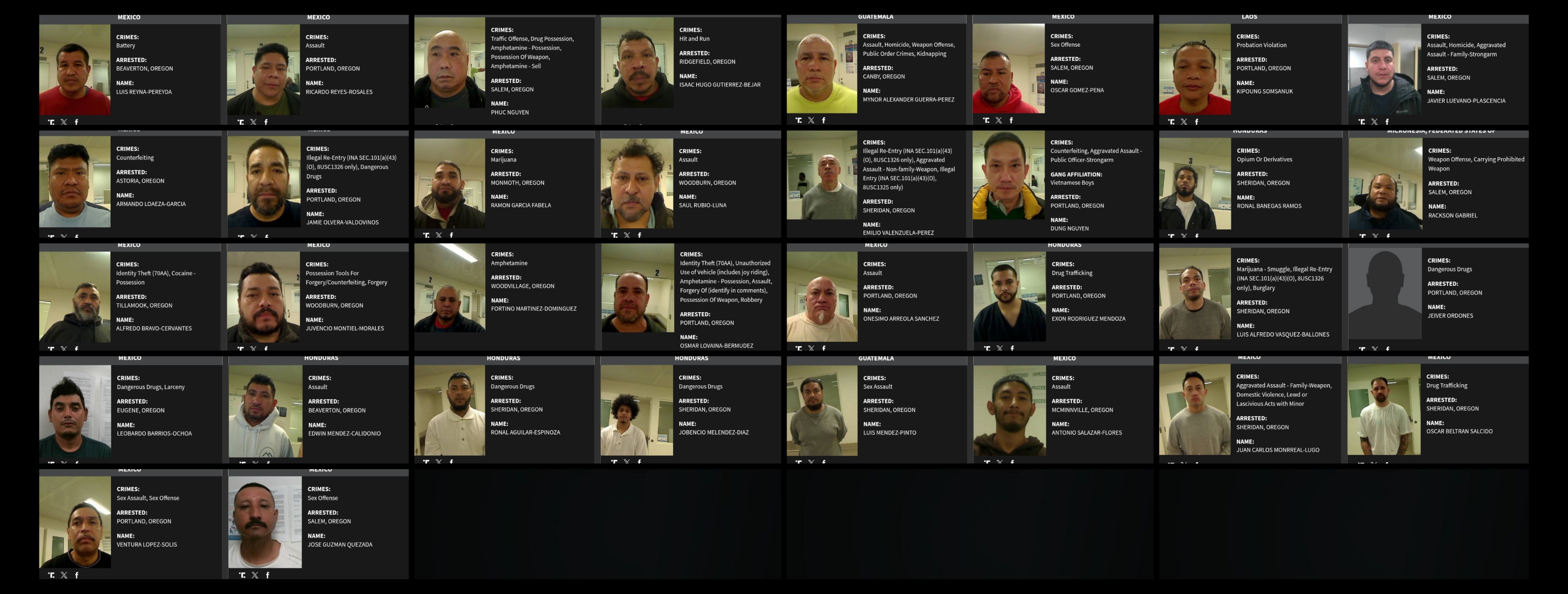
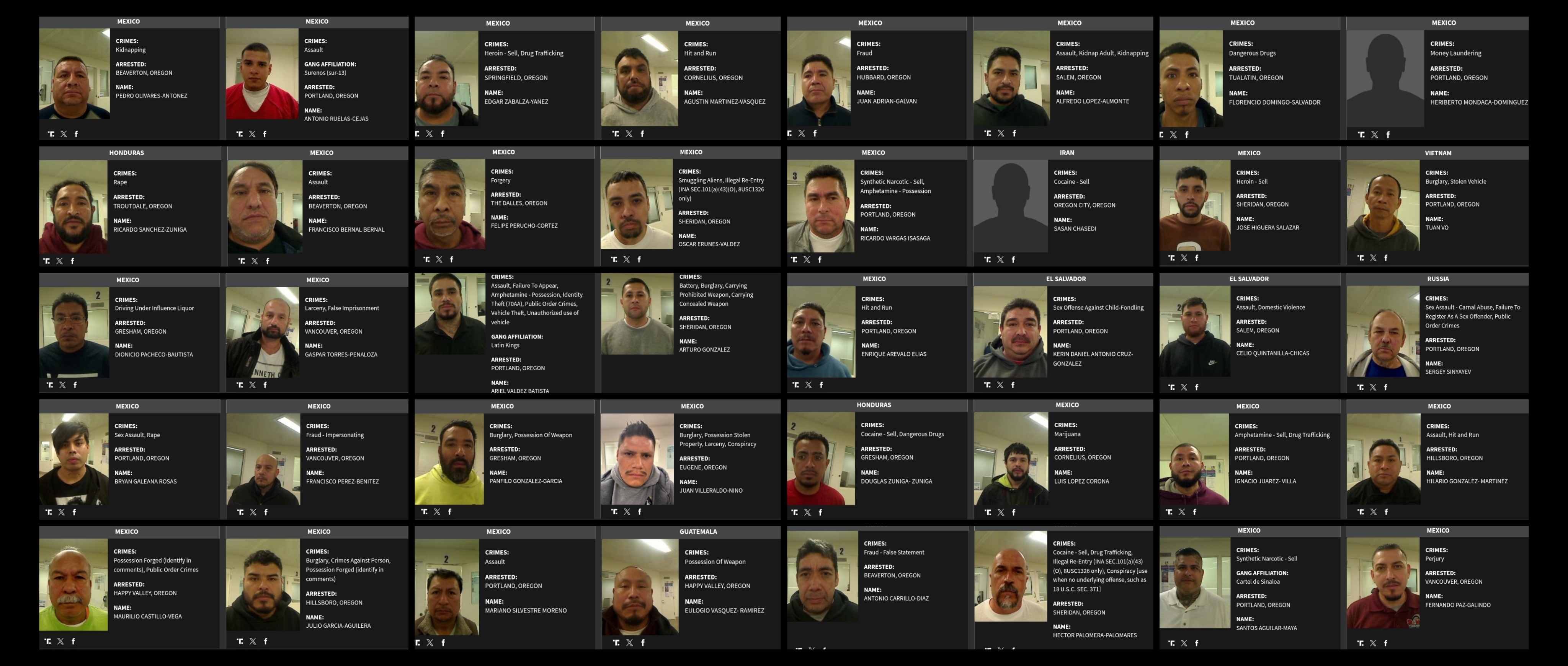
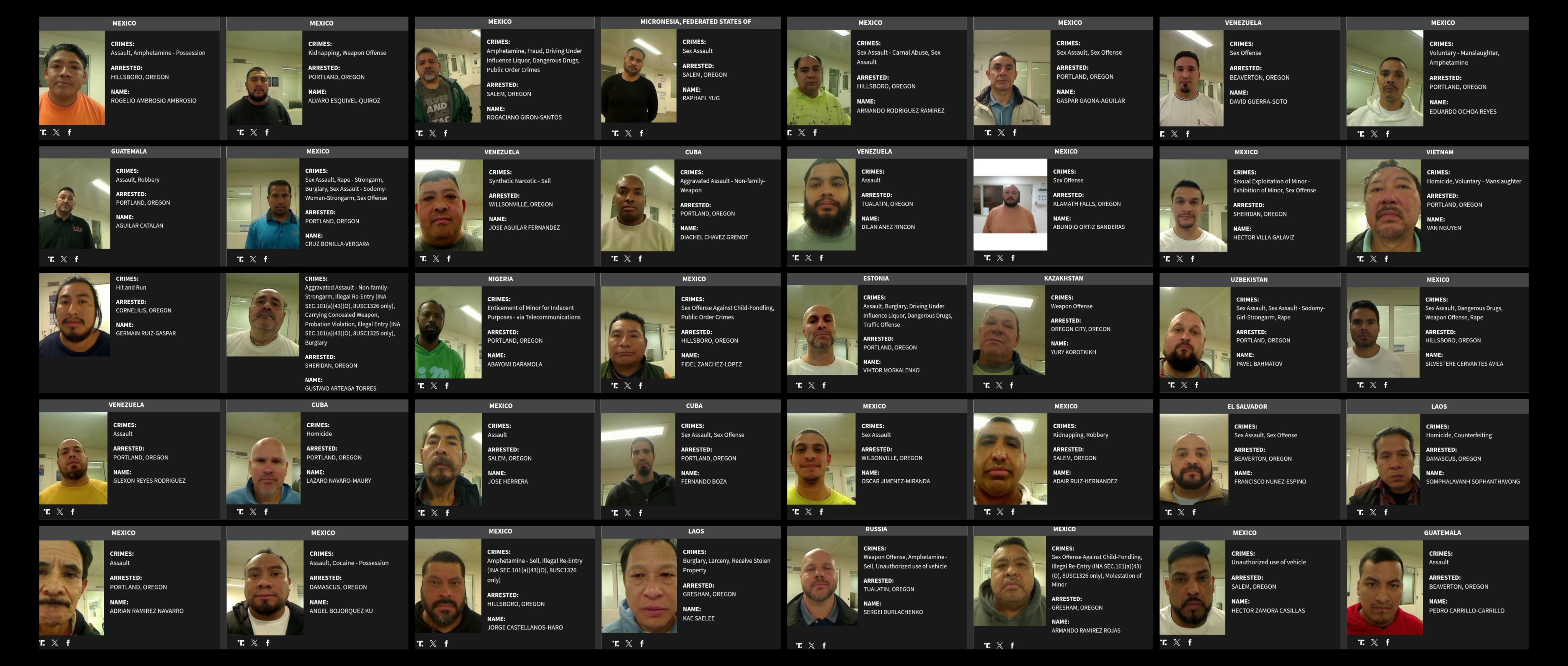
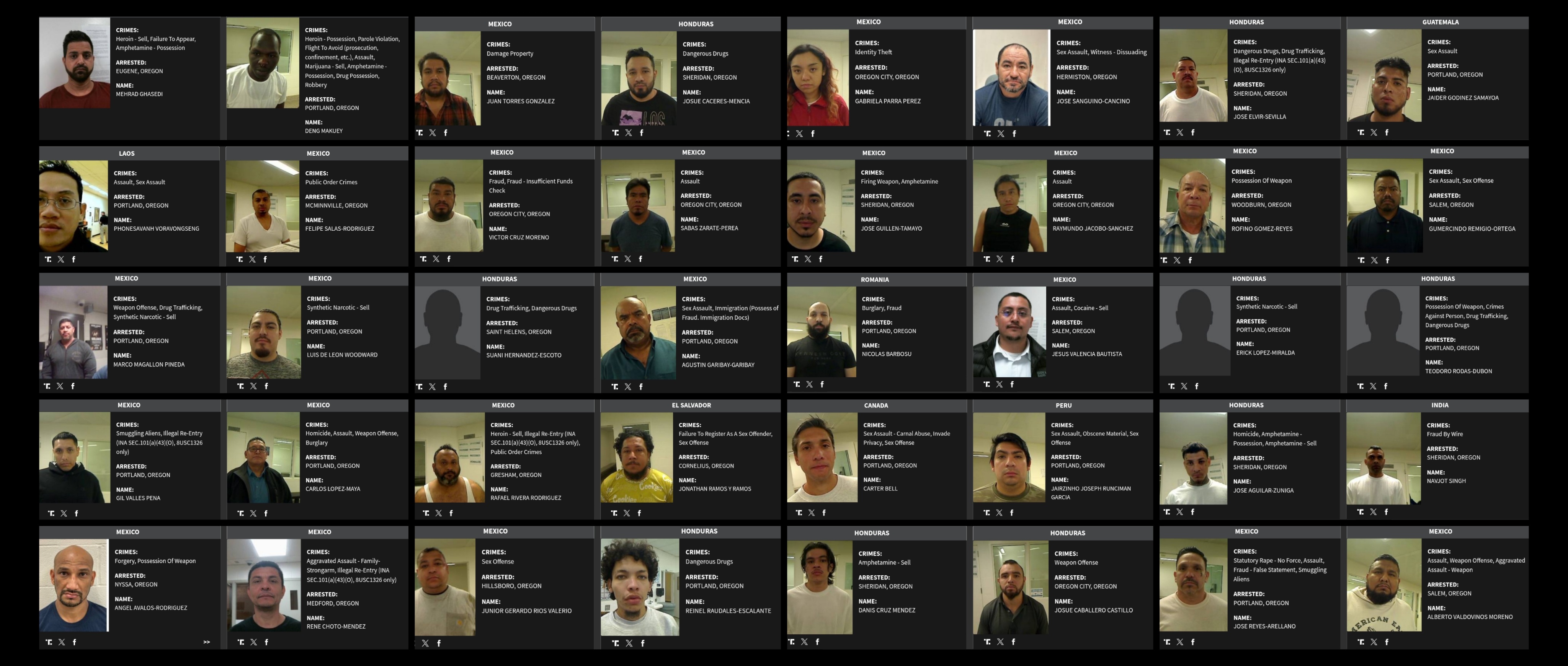
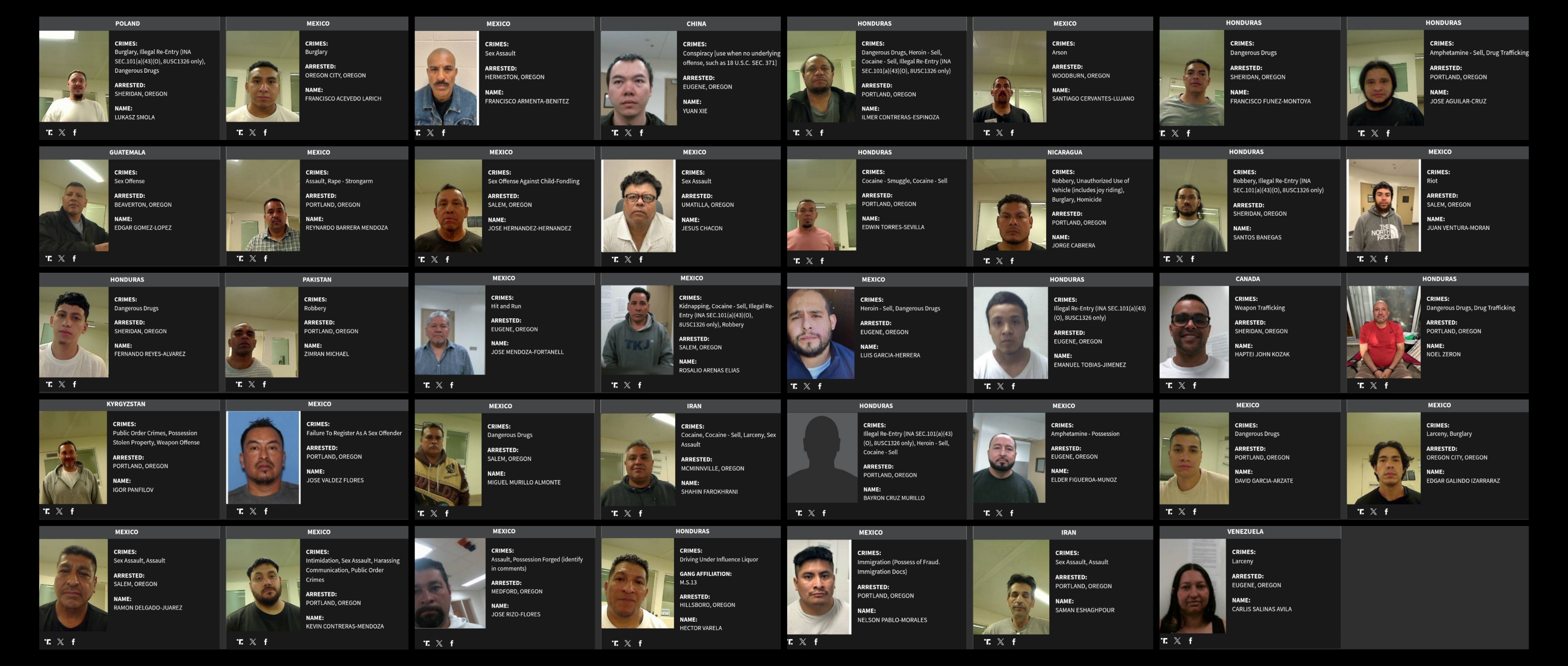
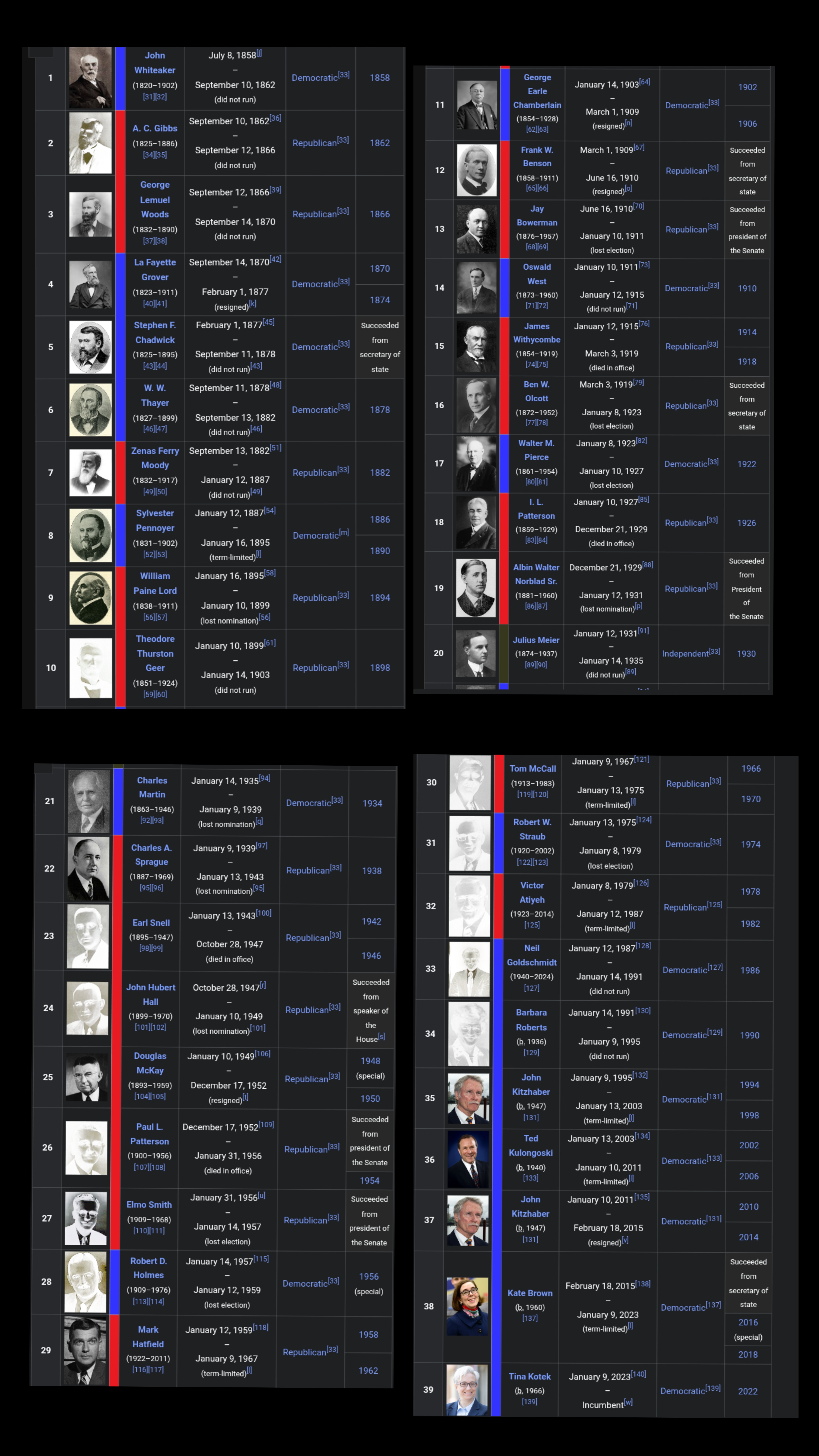
Worst of the worst for Oregon
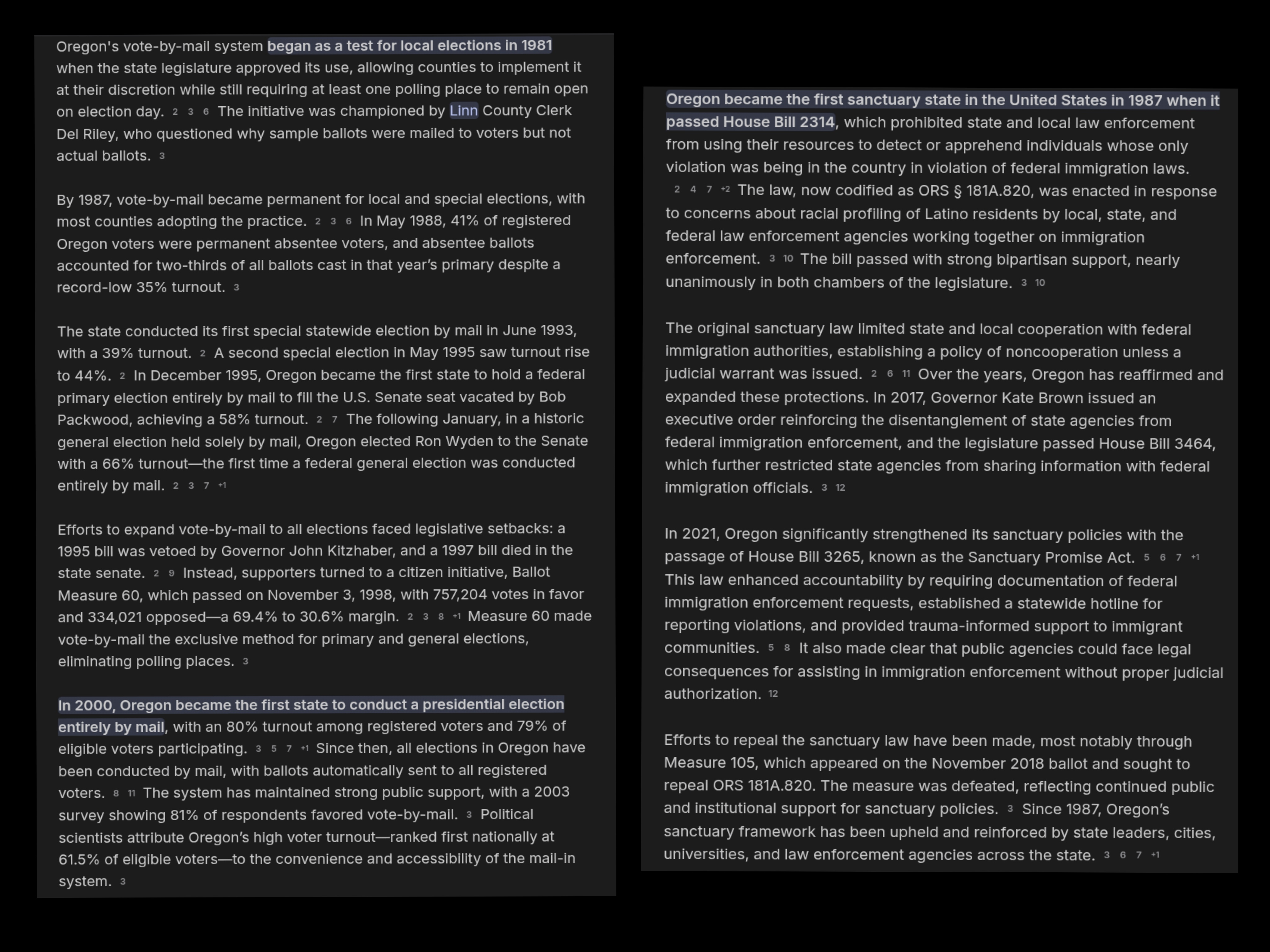
These are who Oregon's sanctuary policies are protecting
Here's the link for the Oregon search and below the main worst of the worst.
https://www.dhs.gov/wow?combine=&field_country_of_origin_target_id=All&field_state_value=Oregon&page=0
https://www.dhs.gov/wow