

A front group is an organization that appears to represent one agenda, such as a public interest or independent voluntary association, but in reality serves the interests of another party, often a corporation, industry, or political entity, whose sponsorship is hidden or rarely mentioned.
These groups are typically set up and funded by a parent organization to influence public opinion, policy, or debate on a specific issue while maintaining the appearance of independence and credibility.
They often use the "third-party technique," a public relations strategy credited to Edward Bernays, to make their messaging more palatable by having it come from an ostensibly neutral or grassroots source.
Front groups may exhibit several characteristics, including avoiding or selectively disclosing their funding sources, having a misleading name that disguises their true purpose (e.g., "Citizens for a Free Kuwait," which was funded by the Kuwaiti royal family), operating from the same address or phone number as a sponsoring corporation, and consistently promoting actions that benefit a third party.
They often claim to be "independent," "credible," or "esteemed" to bolster their legitimacy.
Some may have low membership fees to inflate their numbers and create the illusion of widespread grassroots support, even though they are well-funded by corporate sponsors.
These groups are commonly used by industries such as tobacco, alcohol, pharmaceuticals, and fossil fuels to discredit scientific findings, promote self-regulation, or oppose public health and environmental regulations.
For example, the tobacco industry has a documented history of using front groups to create doubt about the health risks of smoking.
Similarly, organizations like the Center for Consumer Freedom have been identified as front groups for the tobacco, restaurant, and alcohol industries.
While some groups openly disclose their funding, they may still be considered front groups if their purpose or intentions are obscured, as defined by some sources.
In contrast to "astroturf" groups, which create fake grassroots support through fabricated members, front groups typically operate as established organizations with a veneer of legitimacy.
However, the line between a legitimate advocacy group and a front group can be blurred, and the effectiveness of these tactics often relies on the public's difficulty in detecting hidden sponsorship.
BREAKING: Iran released the military to attack the USA…
The Pentagon just added overtime hours. https://truthsocial.com/@Qanon76/116194789510611466

Based Christoph Waltz destroyed lefty argument 🔥 https://truthsocial.com/@Qanon76/116192277635300799
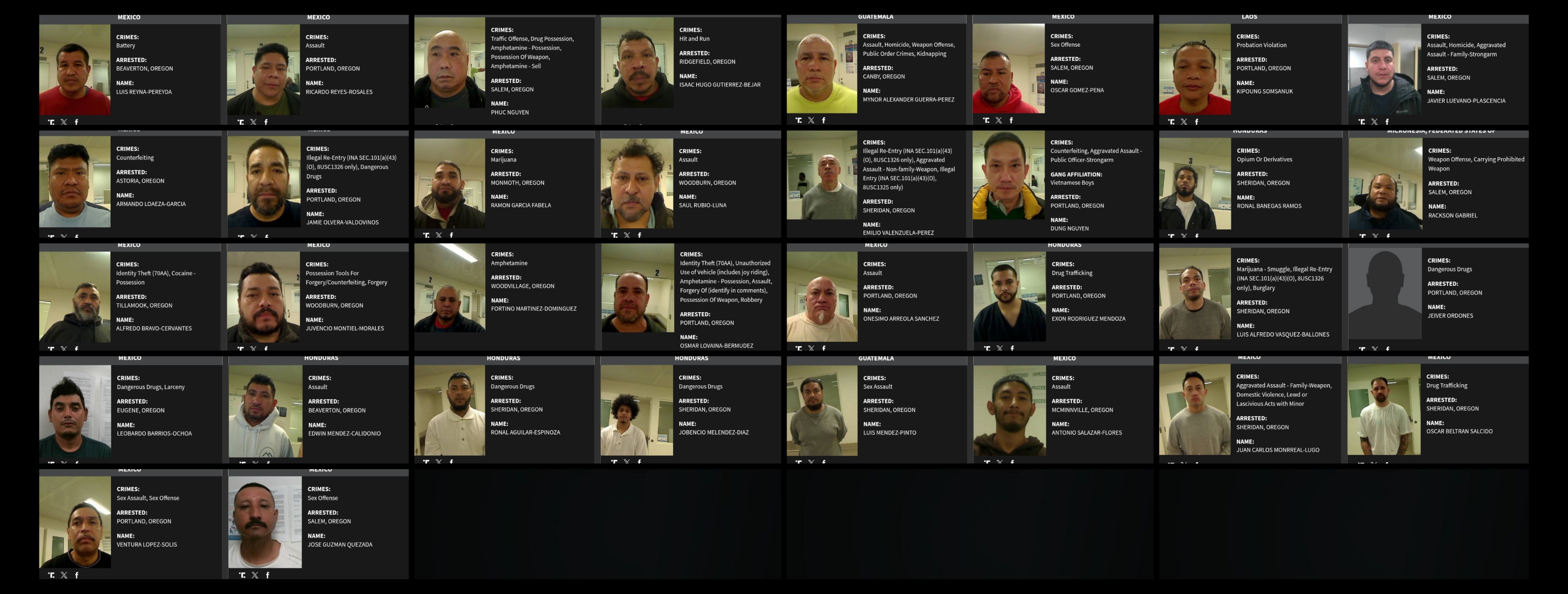
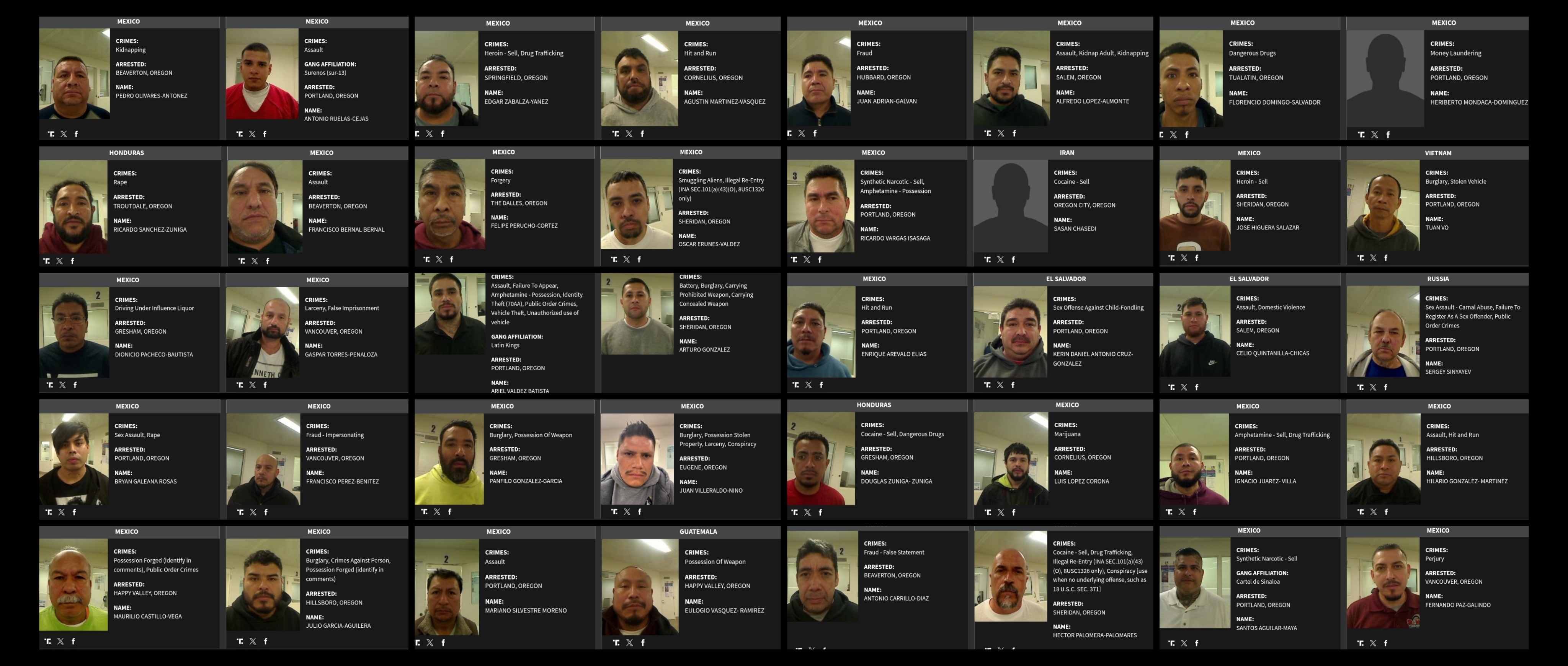
Worst of the worst for Oregon
These are who Oregon's sanctuary policies are protecting
Here's the link for the Oregon search and below the main worst of the worst.
https://www.dhs.gov/wow?combine=&field_country_of_origin_target_id=All&field_state_value=Oregon&page=0
https://www.dhs.gov/wow
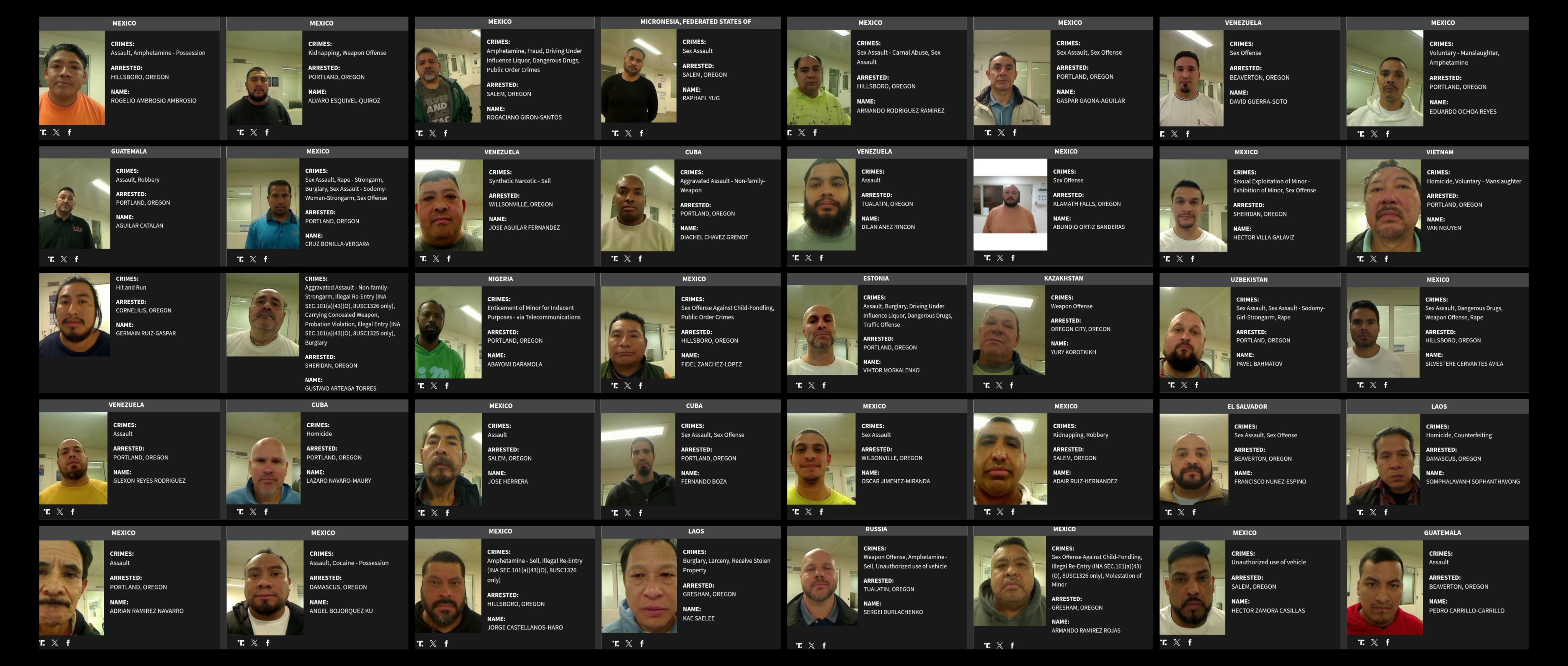
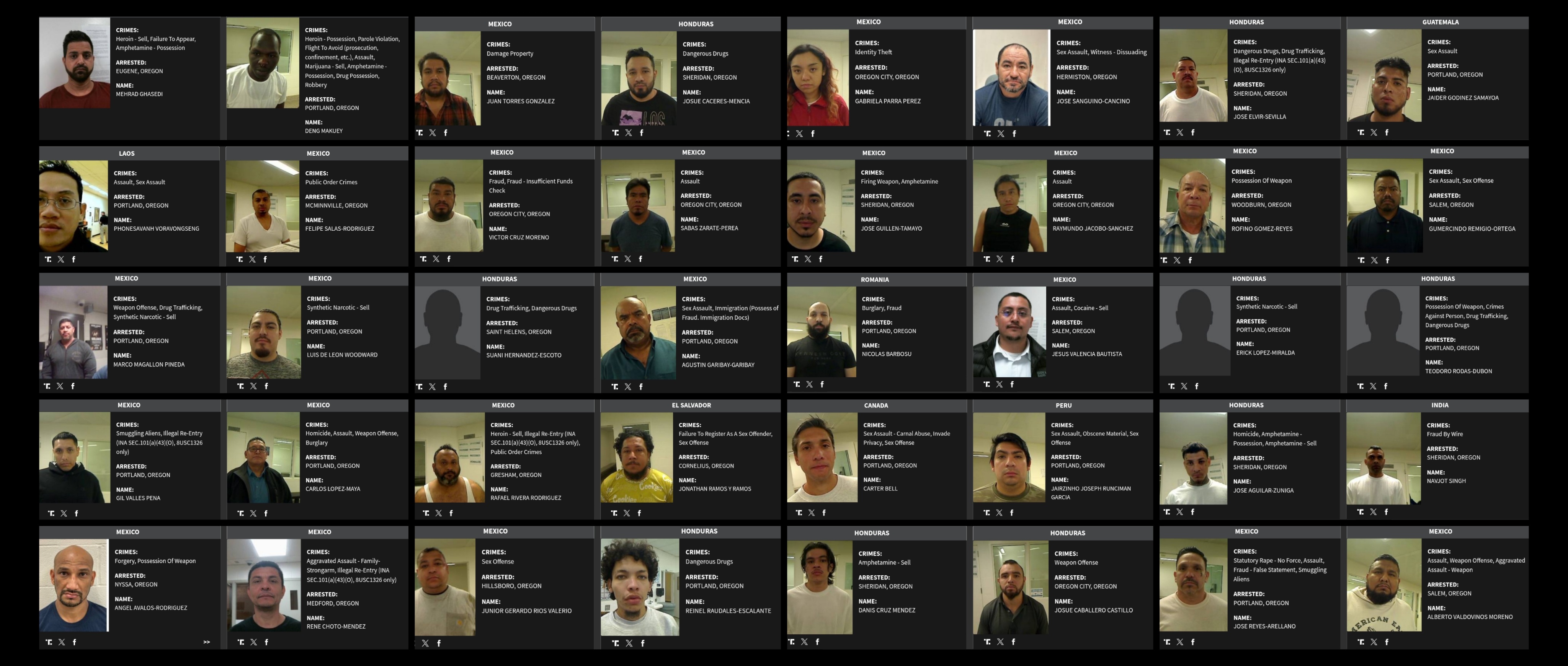
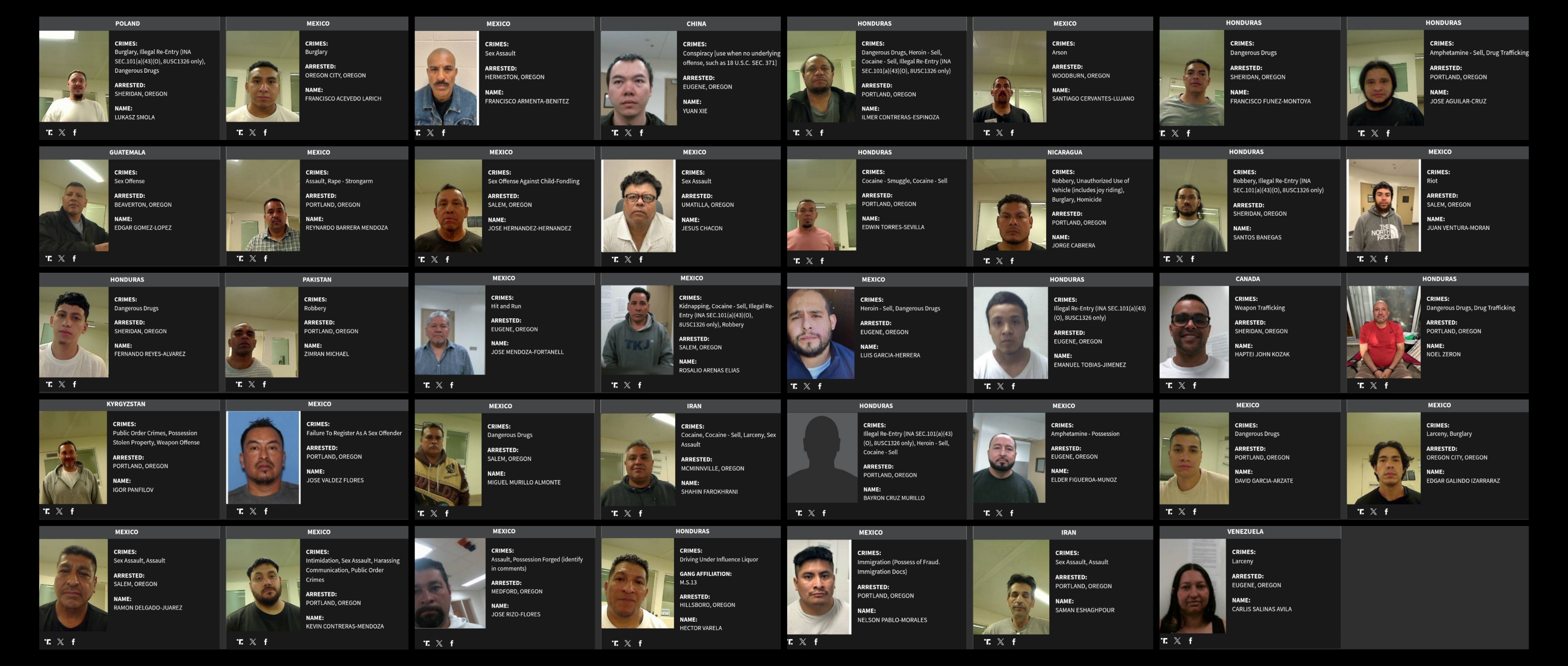
⤵👍🏻👍🏻A Must Read
(Very Short)
From Andy Ngo
#CitizenJournalist
Who broke Portland Antifa story.
#CitizenJournalist
#SpotOn https://truthsocial.com/@JimTLapper/116036585165538825
@JimTLapper https://truthsocial.com/group/american-patriot/statuses/116036613208327313
https://makeoregongreatagain.locals.com/upost/7278400/co-conspirators-are-not-being-ruled-out-there-have-also-been-rumors-of-future-terror-operations-pla